Listen — audio overview
Why Real Love Isn't in a Hurry
In the journey to find a life partner, especially within the unique landscape of Indian matrimonial searches, speed can feel like a virtue. Family timelines, the desire to settle, and the sheer volume of profiles can push us to make decisions quickly. But what if that speed, that intense connection you feel almost instantly, is actually a pattern you can learn to recognise – a pattern that often signals trouble?
This article is for you, the active searcher, the discerning individual navigating choices that will shape your life. We're going to explore a specific pattern of behaviour that might initially feel like passionate love or destiny but can quietly undermine a healthy partnership. You'll learn to spot it, understand why it's so compelling, and most importantly, how to confidently slow things down without losing a genuinely good connection. By the end, you'll have a clear framework for discerning substance from mere speed, empowering you to choose with greater wisdom and confidence.
When "Too Good to Be True" Is a Red Flag: Love Bombing in the Matrimonial Context
Imagine you've connected with someone new through TrueSoulMatch. The initial conversations are wonderful. Within days, or perhaps after just one or two in-person meetings, they are already speaking of "destiny." They declare you are their "soulmate," the "one they've been searching for their entire life." You might receive a flood of messages, calls, and even expensive gifts, all before you've truly had a chance to understand them beyond their flattering words. They might even propose marriage after only a couple of interactions, or pressure you to involve your families immediately to "finalise things," stating they've "never felt this way before" and don't want to waste a single moment. This intense, accelerated display of affection and commitment is known as love bombing.
In the Indian matrimonial context, love bombing can be particularly insidious because it taps into cultural expectations and pressures. The desire for a quick resolution, the family's eagerness for a match to be finalised, and the romantic ideal of a profound, instant connection can make these declarations feel validating and exciting. A young professional like Priya, a 28-year-old software engineer in Bengaluru, might feel immense pressure from her family to decide quickly on a suitable match. When a suitor, Rohan, showers her with compliments, sends her multiple messages daily, and within a week, expresses deep love and starts discussing wedding plans, it might feel like a dream come true. Her family might even encourage it, seeing Rohan's intense interest as a sign of his seriousness and commitment. He might even bring expensive jewellery as a gift very early on, a gesture that can be interpreted as generosity and commitment rather than an attempt to overwhelm.
However, genuine love, the kind that forms the bedrock of a lasting marriage, takes time to build. It’s a slow burn, not an explosion. It’s built on shared experiences, mutual respect, overcoming small challenges together, and understanding each other’s values, not on a rush of intense emotions and grand gestures. When someone speeds past these crucial steps, it's a pattern worth noticing.
Why This Pattern Works So Effectively – And Why It Precedes Control
The allure of love bombing is powerful. It makes you feel uniquely desired, cherished, and seen. It taps into our fundamental human need for connection and validation. When someone showers you with attention, compliments, and seemingly unwavering devotion, it creates a potent emotional high. You might feel a sense of relief, thinking your search is finally over, and a deep gratitude towards the person who appears to understand you so profoundly, so quickly. This intense emotional experience can bypass your rational assessment, making it difficult to spot potential issues.
Psychologically, love bombing operates by creating an immediate, strong bond, making the recipient feel incredibly special and indispensable. This rapid emotional attachment can make you overlook inconsistencies, red flags, or a lack of true compatibility, simply because the feeling is so overwhelmingly positive. It’s an intoxicating feeling, a shortcut to intimacy that feels profoundly fulfilling in the moment.
However, this intensity almost always precedes controlling behaviour. Once the love bomber has secured your emotional investment and dependence through this initial rush, the dynamic often shifts. The very person who initially put you on a pedestal might start to:
- Withdraw affection: They might suddenly become distant or critical if you don't respond to their messages immediately or agree with their plans.
- Isolate you: They might subtly (or not so subtly) discourage you from spending time with friends or family, framing it as "us against the world" or "we only need each other."
- Set conditions for their affection: Their love might become conditional on you conforming to their expectations or desires.
- Exhibit jealousy or possessiveness: What was once seen as flattering attention might turn into constant monitoring or questioning your whereabouts and interactions.
The early "soulmate" declarations serve to create a sense of obligation and make it harder for you to leave later. You might feel guilty, thinking you're abandoning someone who loves you so deeply, or you might question your own judgment for not appreciating what seemed like a perfect connection. This shift from idealisation to devaluation, often accompanied by attempts to control your life, is a common pattern. TrueSoulMatch’s identity verification process (government ID, face match, phone) ensures users are who they say they are, but it does not reveal character or intentions, making pattern recognition even more crucial.
What to look for: Patterns to recognise
- Accelerated declarations of love/destiny: Professing deep feelings or calling you their "soulmate" within the first few interactions or meetings.
- Pressure for quick commitment: Pushing for an immediate engagement or marriage discussion after very little time, often citing "destiny" or "not wanting to waste time."
- Overwhelming attention and communication: Constant messages, calls, or showering you with compliments and gifts disproportionate to the stage of your relationship.
- Demanding all your time: Expecting you to be available primarily for them, often subtly or overtly discouraging other social engagements.
- Instant future-planning: Talking extensively about your married life, children, and even joint family dynamics, as if the decision is already made.
- Dismissal of boundaries: Becoming upset or argumentative if you try to establish a healthy boundary around communication frequency or meeting times.
- "Perfect match" narrative: Insisting you are perfectly aligned on every front, even before genuine compatibility has been explored, often ignoring subtle differences.
Consider the case of Kavita, a 32-year-old financial analyst from Pune. After only two video calls, the prospective groom, Sameer, started sending her expensive gifts – a designer handbag, a silver Ganesh idol for her home – and called her multiple times a day, sometimes late into the night. He would send messages like, "I already know you're the one, I've seen it in my dreams." Kavita felt overwhelmed but also incredibly special. Her parents were impressed by his apparent devotion. But when Kavita mentioned needing space to focus on a work project, Sameer became cold, then guilt-tripped her, saying, "I thought we were building something special, but clearly, I'm not important to you." This sudden shift is a classic sign that the love bombing was a means to an end.
How to Slow It Down Without Ending Things Prematurely
Recognising these patterns is the first step. The next is learning how to navigate them. You might be wondering, "What if this person genuinely likes me a lot?" And that's a valid question. The goal isn't to immediately shut down genuine enthusiasm, but to test its true nature by introducing healthy boundaries and observing their reaction.
Here’s how you can slow things down and evaluate the connection without prematurely ending something potentially real:
- Set clear communication boundaries: Instead of responding instantly to every message or call, create a slight delay. You could say, "I'm focusing on work until 6 PM, so I'll respond after that," or "I prefer to limit calls to one a day so we can have a focused conversation."
- What their reaction tells you: A genuinely interested person will respect your boundaries, even if they're a little disappointed. Someone engaging in love bombing might become pushy, demanding, or even accusatory ("Why are you ignoring me? Don't you care?").
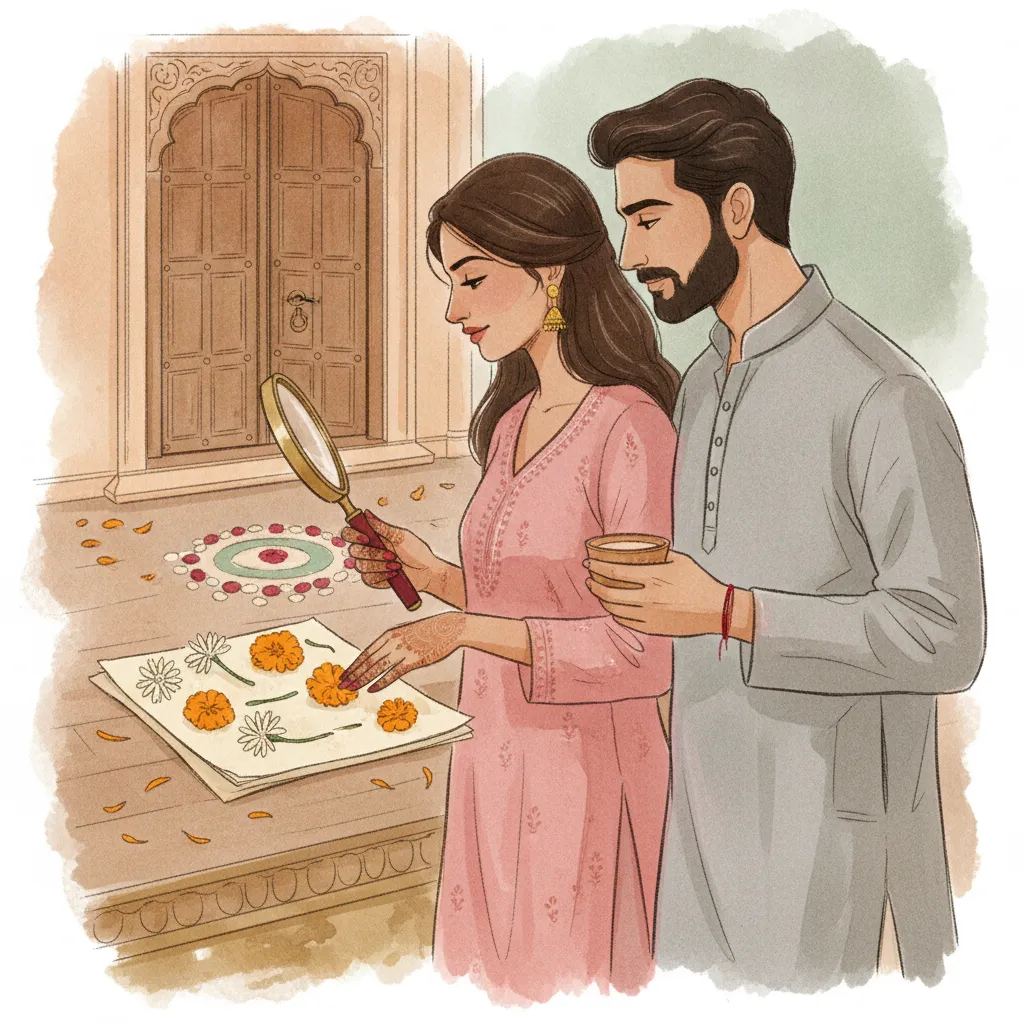
- Suggest group activities or less intense meetings: If they're constantly pushing for one-on-one, highly romanticised dates, suggest meeting with friends or family, or doing a casual activity like visiting a local fair or attending a public event. This shifts the focus from intense emotional bonding to shared experience and observation.
- What their reaction tells you: A partner seeking a healthy relationship will be open to various ways of spending time and getting to know you. A love bomber might resist, insisting on "intimate" time, or express boredom with group settings.
- Space out serious conversations: If they're constantly discussing marriage, future plans, or deep emotional topics, gently steer the conversation to lighter subjects. "That's a lovely thought, and I'm excited about the future too, but I'd really like to get to know more about your day-to-day interests first."
- What their reaction tells you: Someone genuinely interested in building a foundation will understand the need for gradual discovery. A love bomber might get frustrated, imply you're not serious, or try to pull you back into future talk.
- Observe their interaction with others: Pay attention to how they treat service staff, their family (if you get a chance to observe), or even strangers. Are they consistently respectful, or is their charm reserved only for you?
- What their reaction tells you: Consistency in character across different interactions is a strong indicator of genuine personality. Inconsistency might suggest they are performing for you.
- Decline overly lavish gifts politely: If they offer expensive gifts early on, you can politely decline or suggest something more modest. "Thank you so much, but it's too early for such a lavish gift. Perhaps we could share a nice meal instead?"
- What their reaction tells you: A person with good intentions will understand and appreciate your thoughtful approach. A love bomber might insist, or even get offended, seeing your refusal as a rejection of their feelings.
Imagine Sameer, a 30-year-old architect from Chennai, finding himself on the receiving end of intense attention. The woman, Deepa, was charming and beautiful, but after just two calls, she began discussing their children's names and suggesting they get their horoscopes matched immediately. Sameer felt a mix of flattery and unease. He decided to slow things down. He gently told her, "Deepa, I really enjoy our conversations, but I believe building a strong partnership takes time. I'd love to continue getting to know you, but let's take it a bit slower on the long-term planning." He suggested meeting for a casual coffee with mutual friends. Deepa's immediate reaction was a sharp, "Why? Don't you like me? Are you playing games?" followed by a barrage of messages questioning his intentions. This reaction, rather than respecting his pace, revealed a pattern of impatience and a demand for immediate emotional return. If you find yourself in a similar situation, it is crucial to confide in trusted friends or family members. If you need to disengage, do so with caution, ensuring your safety and having a support system in place, as leaving can sometimes be the riskiest moment.
Your Power to Choose Wisely
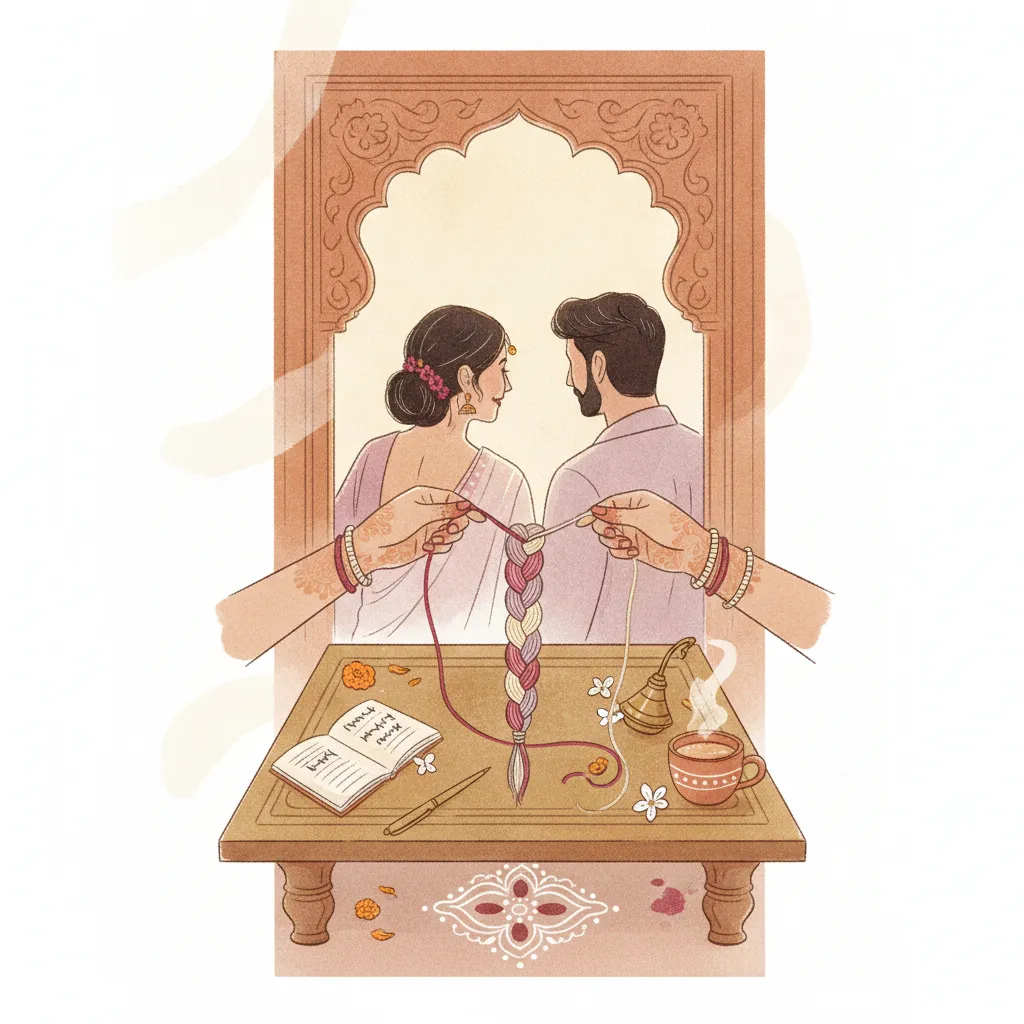
Real love isn't a race; it's a journey. It thrives on understanding, respect, and mutual growth, not on instant declarations or overwhelming displays. The ability to discern between genuine, evolving connection and manipulative speed is a powerful tool you now possess.
By recognising the patterns of love bombing and knowing how to respond, you are not closing yourself off to potential happiness. Instead, you are actively protecting your emotional well-being and ensuring that the partner you choose is genuinely interested in building a life with you, at a healthy, sustainable pace. True partnership is built on honesty, patience, and reciprocal effort, not on an illusion of instant perfection. Now you have the tools to ensure your journey to marriage is built on a foundation of true connection, not just fleeting intensity.
Ask yourself this week: Are the interactions with my prospective partner building steadily, based on shared understanding and mutual respect, or are they a rapid, overwhelming flood of emotion and future-talk?