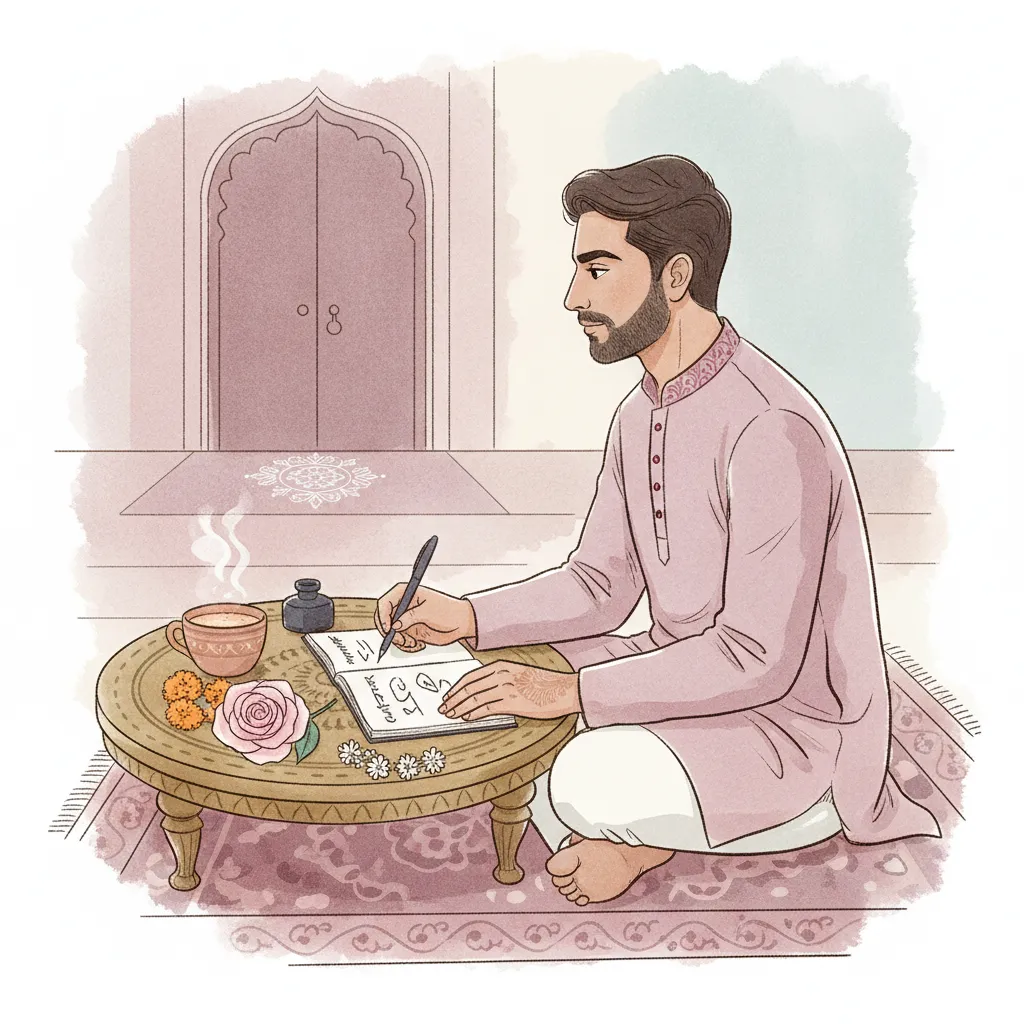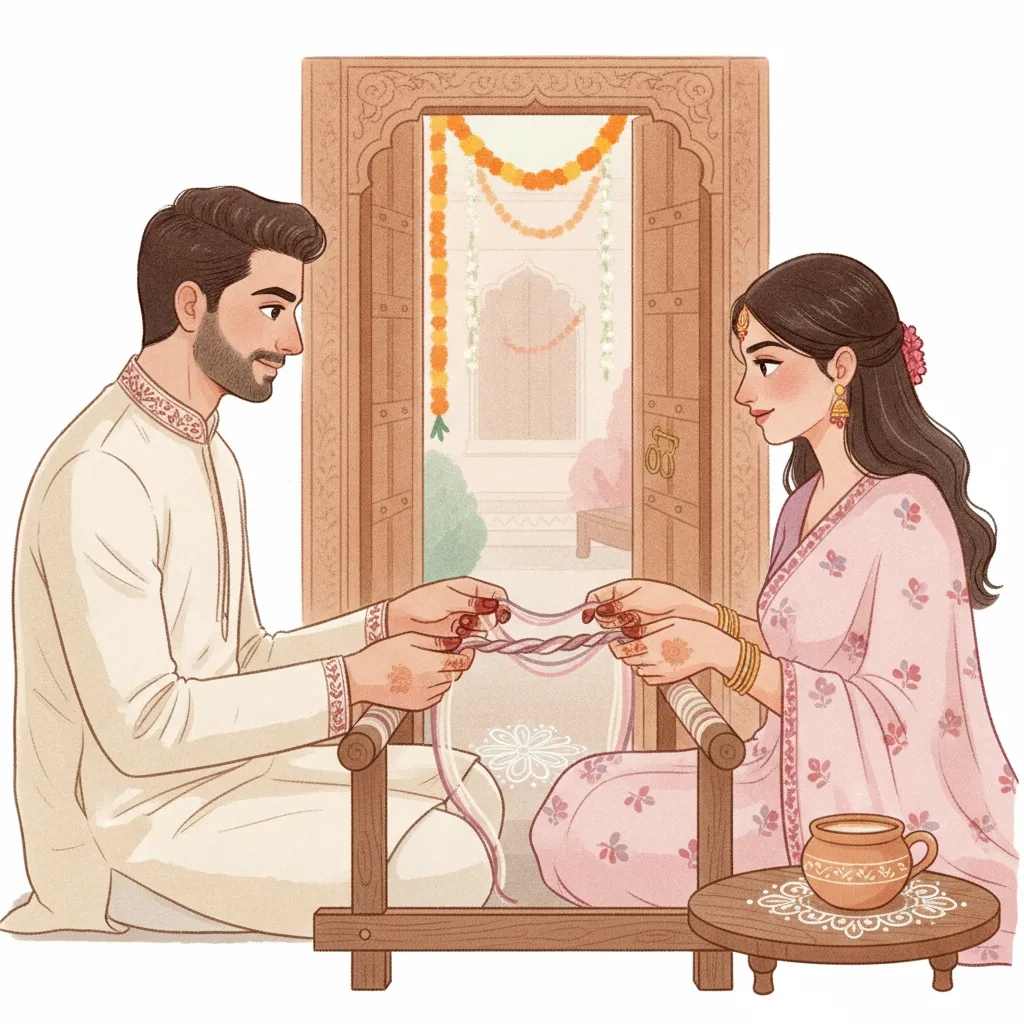
Imagine a couple, Reena and Rohan, five years into their marriage in Nagpur. They’ve navigated joint-family adjustments, career shifts, and the beautiful chaos of raising a young child. Life isn't always smooth, but their home feels like a sanctuary of understanding, not a battleground of unmet expectations. When Rohan returns from a challenging day at work, Reena doesn't just ask, "What's for dinner?" She observes his quietness, senses the tension, and might gently say, "You seem like you've carried the weight of the world today. Want to just sit for a bit?" When Reena feels overwhelmed by household responsibilities and childcare, Rohan doesn't dismiss it with "But you're at home." Instead, he hears the strain in her voice, acknowledges her exhaustion, and offers, "It sounds incredibly tough right now. How can I lighten your load tonight?"
This isn't a picture of perfect harmony devoid of conflict, but of deep, resilient connection. It's a marriage built not just on shared values or family approval, but on a foundation of emotional intelligence. This isn't a gift some people are born with; it's a set of learnable skills that transform a good match into a great, enduring partnership.
Beyond the Checklist: Why Emotional Partnership is Non-Negotiable
For generations, the search for a life partner in India often prioritised tangible attributes: a "good provider" for men, traditionally measured by stable income, property, and family standing; and a "good homemaker" for women, often assessed by family background, upbringing, and perceived domestic skills. In the context of arranged marriages, these criteria were practical anchors in a swiftly moving process, and for good reason—they addressed the fundamental needs of security and stability.
However, the landscape of marriage has evolved dramatically. Modern Indian couples, while still valuing these foundations, also seek something more profound: emotional partnership. The relentless pace of urban life, the growing independence of individuals, and the increasing nuclearisation of families (even within joint-family structures, individual spaces and emotional needs are more pronounced) demand that spouses be more than just providers and homemakers. They need to be confidantes, emotional anchors, and active participants in each other's inner worlds.
Think about it: Your TrueSoulMatch profile might meticulously detail educational qualifications, family background, and even hobbies. But how do you screen for a partner who can truly listen when you're distressed, acknowledge your unvoiced fears, or celebrate your quiet triumphs? How do you assess whether someone will sit with you in discomfort, rather than rushing to fix it or, worse, dismiss it? These emotional capacities are the ceiling of a happy marriage, far above the floor of basic compatibility and material provision.
In the fast-paced world of matrimonial searches, especially with the pressures of family expectations and often condensed timelines for decision-making, it’s easy to focus on the external. But truly successful marriages, those that thrive for decades, are built on an internal architecture of emotional attunement and responsiveness. This isn't just about preventing divorce; it's about building a rich, fulfilling life together where both partners feel truly seen, heard, and valued.
Three Essential Emotional Skills for a Thriving Marriage
Emotional intelligence isn’t an abstract concept; it's a collection of concrete skills anyone can develop. Here are three critical ones that predict a deeply satisfying and resilient marriage:
1. Name Your Own Feelings (Beyond "I'm Fine")
Many of us grow up learning to suppress or simplify our emotions. "How are you?" often elicits a reflexive "I'm fine," even when we're anything but. In an Indian context, especially, there can be cultural pressure to maintain a stoic front, avoid burdening others, or prioritise collective harmony over individual expression. But a strong marriage requires you to articulate your internal landscape, even if it feels vulnerable.
Why it matters: When you can accurately name what you're feeling (e.g., "I'm feeling overwhelmed," "I'm hurt," "I'm frustrated," "I'm anxious about the loan repayment"), you provide your partner with a map to your inner world. Without this clarity, your partner is left guessing, often misinterpreting your behaviour or withdrawing in confusion. It also allows you to process your own emotions constructively instead of letting them fester or explode.
How to practice:
- Expand your emotional vocabulary: Move beyond "happy," "sad," "angry." Are you feeling disappointed, irritated, confused, lonely, grateful, hopeful, content, relieved? There are hundreds of words for emotions. A simple online search for "feelings wheel" can provide a useful visual aid.
- Check in with your body: Emotions manifest physically. A tight chest might signal anxiety, a knot in your stomach could be fear, tension in your shoulders might be stress. Learn to connect these sensations to specific feelings. "My jaw is clenched; I think I'm actually feeling quite resentful about that conversation."
- Practice privately: Start by journaling your feelings each day. At the end of a difficult day, write down what you truly felt, even if you wouldn't say it aloud. This builds your internal muscle.
- Start small with your partner: Instead of a big confession, try, "I'm feeling a little drained today," or "I'm actually quite excited about that trip." As you get comfortable, you can share deeper emotions.
Example Scenario: Consider Amit, a 28-year-old software engineer in Bengaluru, who often works late and comes home exhausted. His partner, Priya, tries to engage him in conversation about her day, but Amit often gives one-word answers, causing Priya to feel ignored and unimportant. Initially, Priya might interpret his silence as disinterest or anger. Instead of just retreating to his phone, Amit could practice naming his feelings: "Priya, I'm really sorry if I seem distant. I'm actually feeling completely drained and a bit overwhelmed by the project deadline. My brain just feels fried, and I'm finding it hard to process much right now." This small act clarifies his internal state, allowing Priya to respond with empathy ("I understand, love. Take some time to decompress.") rather than hurt.
What to look for:
- Reciprocal openness: Do they share their true feelings with you, or consistently deflect with "I'm fine" even when clearly upset?
- Emotional range: Do they acknowledge a variety of emotions, or only express a narrow band (e.g., always angry, never vulnerable)?
- Responsiveness to your feelings: When you share a feeling, do they acknowledge it, or immediately try to fix it, dismiss it, or make it about themselves?
2. Listen Without Rushing to Solve
True listening is a rare and powerful act. It’s not about waiting for your turn to speak, or immediately jumping in with solutions, advice, or comparisons to your own experiences. It's about creating a safe space for your partner to fully express themselves, knowing they will be heard and understood, not judged or lectured. This skill is particularly crucial in a joint-family setup where many voices might offer solutions, but few might truly listen.
Why it matters: When someone is distressed, they often don't need a solution as much as they need validation. They need to know that their feelings make sense, that their experience is real, and that they are not alone. Rushing to solve often signals that you haven't fully grasped the depth of their experience, or that you're uncomfortable with their discomfort. It can shut down future sharing.
How to practice:
- Pause before responding: After your partner finishes speaking, count to three silently. This prevents you from interrupting or jumping in too quickly.
- Reflect what you hear: Summarize what your partner said in your own words. "So, what I'm hearing is that you're feeling really frustrated with your colleague's lack of communication, and it's making your work harder." This shows you were paying attention and gives them a chance to correct you if you misunderstood.
- Ask clarifying questions: Use open-ended questions like, "Can you tell me more about that?" or "What was that like for you?" or "How did that make you feel?" Avoid "why" questions, which can sound accusatory.
- Validate their feelings: You don't have to agree with their perspective to validate their emotions. Say things like, "It makes sense that you'd feel angry about that," or "I can see why that would be upsetting."
- Resist the urge to problem-solve: Unless specifically asked, hold back your advice. Sometimes, a simple "That sounds really tough" or "I'm so sorry you're going through that" is all that's needed.
Example Scenario: Deepa, a 30-year-old designer in Mumbai, is sharing with her husband, Kunal, about a difficult conversation with her mother-in-law regarding managing the household budget. Deepa feels her mother-in-law was overly critical and dismissive of her ideas. A common, but unhelpful, response from Kunal might be, "You should have just agreed with her," or "Maybe you should try explaining it better," or "She just wants what's best for us." Instead, Kunal could listen actively: "So, your mother expressed her concerns about the budget, and you tried to explain your approach, but you felt she didn't really hear you, and that left you feeling disrespected and maybe a little hurt?" Deepa might then elaborate, "Yes, exactly! And it makes me worried about bringing up other ideas in the future." Kunal could then validate, "I understand why that would make you feel worried. It's tough when you feel your suggestions aren't valued." He might then ask, "What do you need from me right now?" (The answer might be "just a hug" or "help me brainstorm how to approach her next time," but the listening comes first.)
What to look for:
- Presence vs. Distraction: Do they maintain eye contact (if culturally appropriate), put away their phone, and seem genuinely engaged when you speak?
- Interrupting vs. Waiting: Do they frequently cut you off or finish your sentences, or do they allow you to speak fully?
- Empathy vs. Advice-Giving: Do they try to understand your feelings, or immediately jump to solutions or tell you what you should do?
- "Me too" stories: Do they listen to your problem, then immediately pivot to a similar experience of their own, making it about them?
3. Repair After a Fight Without Bargaining
Conflict is inevitable in any close relationship, and a marriage is no exception, especially with the complexities of joint-family life or differing expectations regarding finances (including stridhan management) and future plans. It's not the presence of conflict that predicts marital success, but the way a couple repairs after a disagreement. Many couples get stuck in cycles of blame, withdrawal, or demanding concessions before reconciliation. Healthy repair is about restoring connection and trust, not winning an argument.
Why it matters: Unrepaired conflicts leave emotional wounds that accumulate, eroding goodwill and fostering resentment. Effective repair shows commitment to the relationship over individual pride, builds resilience, and reinforces the belief that your relationship can withstand disagreements. It teaches both partners that even when things get heated, the underlying bond is strong enough to recover.
How to practice:
- Take a break if needed: If emotions are too high, suggest a specific time to revisit the conversation: "I'm feeling too angry to talk productively right now. Can we take a 30-minute break and then talk again?"
- Take responsibility for your part: Even if you feel your partner is "more" wrong, find your own contribution to the conflict. "I'm sorry I raised my voice," or "I regret that I shut down instead of explaining myself." This doesn't mean taking blame for things you didn't do, but acknowledging your actions.
- Express genuine regret: Focus on the impact your actions had on your partner, not just on the fact that you "got caught." "I'm sorry my words made you feel dismissed. That was not my intention, and it hurts me to know I hurt you."
- Offer specific acts of repair: What can you do to make amends? "Is there anything I can do right now to make you feel better?" or "Let me make you some chai," or "How about we talk through this properly after dinner?"
- Avoid "but" apologies: "I'm sorry I yelled, but you made me angry" negates the apology. Apologize for your action, then separately address your feelings or concerns without making your apology conditional.
- Focus on re-connection: The goal is to bring the emotional temperature down and restore goodwill, not to rehash the argument or extract a confession of guilt from your partner.
Example Scenario: Anjali, a 32-year-old financial analyst, and her husband, Vikram, a 33-year-old architect, have had a heated argument about a significant family expense for a relative's wedding, which Vikram committed to without consulting Anjali. Anjali feels disrespected and worried about their own savings goals. After cooling down, Vikram initiates repair: "Anjali, I've been thinking about our conversation, and I want to genuinely apologise for committing to that expense without talking to you first. I know it made you feel left out and disrespected, and I completely understand why you're worried about our finances. That was thoughtless of me." Anjali, hearing his genuine remorse and acknowledgement of her feelings, might respond, "Thank you for saying that, Vikram. I did feel really hurt." Vikram could then follow up with a specific act of repair: "How about we sit down this weekend, go over our entire budget together, and plan out all future family contributions so this doesn't happen again? I want you to feel fully involved in these decisions." This moves from apology to action, rebuilding trust and partnership.
What to look for:
- Initiation of repair: Do they come back after a fight, or do they wait for you to make the first move, or worse, stonewall?
- Accountability vs. Blame: Do they take responsibility for their part, or consistently shift blame to you or external factors?
- Sincere apologies: Do their apologies sound genuine and regretful, or like they're just trying to end the conflict? Do they use "but"?
- Willingness to discuss: Are they open to revisiting the conflict and discussing how to prevent it in the future, or do they shut down or claim it's "over and done with"?
- Holding grudges: Do they bring up past arguments repeatedly, or are they able to move forward once repair has happened?
What to Actually Do This Week
As you navigate TrueSoulMatch profiles and early conversations, observe for these nascent emotional skills. During initial calls or arranged-match meetings, subtly test the waters.
- Ask yourself (and your potential partner):
- When I mention something challenging or exciting that happened today, do they ask, "How did that feel?" or do they jump straight to "What happened next?" or "What should you do about it?"
- When I express a mild frustration, do they listen and acknowledge, "That sounds annoying," or do they immediately dismiss it with "Oh, it's not a big deal" or "You shouldn't feel that way"?
- Have I seen any evidence of them taking responsibility for a small misunderstanding, or do they always present themselves as flawless?
- Am I comfortable sharing a less-than-perfect emotion with them? Do I feel like I can say "I'm feeling a bit anxious about X" without judgment?
Practical Step: This week, identify one specific feeling you're experiencing (beyond "good" or "bad") and share it with someone you trust (a friend, sibling, or even your current partner if you have one). Then, practice truly listening to someone else without offering a single solution—just acknowledge and validate. These small practices build the foundation for a lifetime of deep connection.
The picture of Reena and Rohan thriving after five years is not a matter of luck. It's the result of countless small, intentional acts of emotional connection and repair. When you commit to learning and practicing these skills, you’re not just hoping for a happy marriage; you’re actively building one. A marriage rich with emotional intelligence isn't a lottery win; it's a co-created masterpiece, growing deeper and more vibrant with every passing year, transforming your bond from a contractual arrangement into an unbreakable, deeply fulfilling partnership that withstands the test of time and change, for 5, 30, and even 50 years.