Listen — audio overview
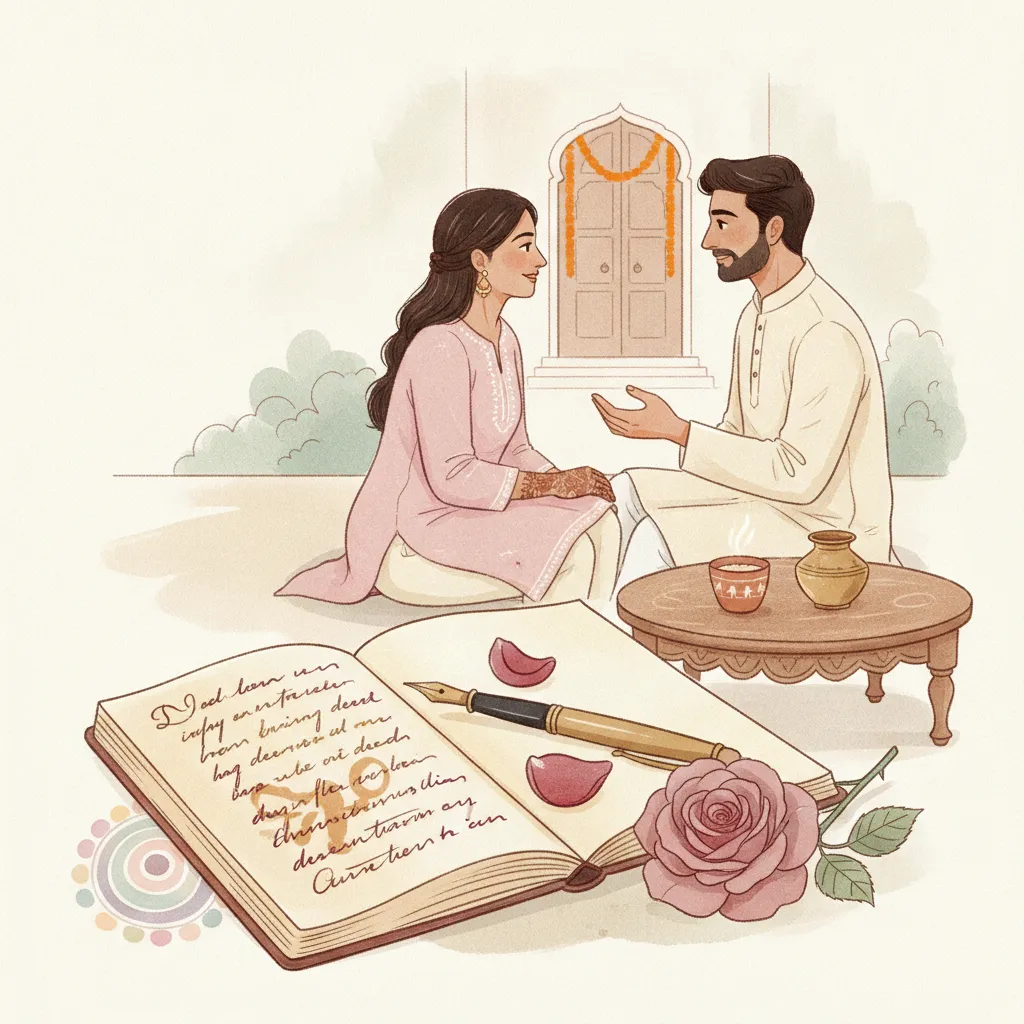
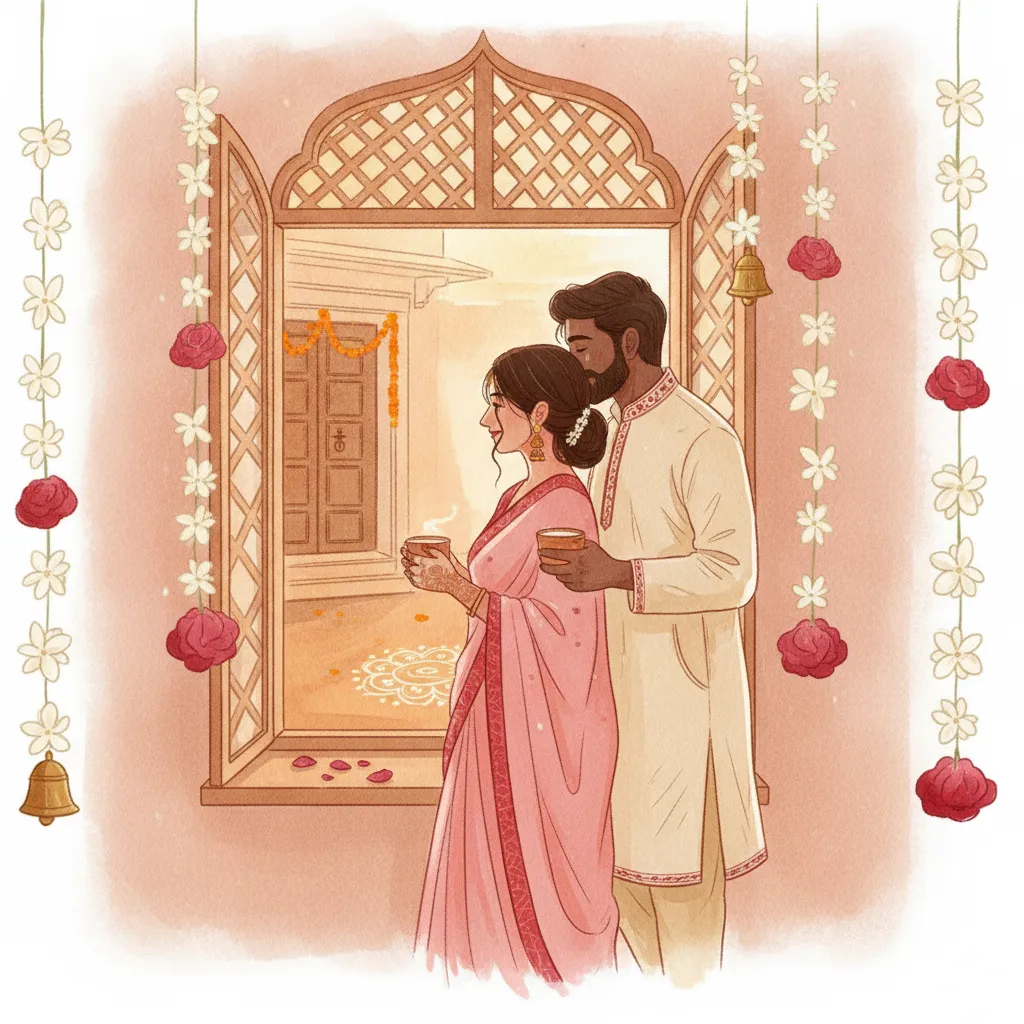
Imagine a couple, five years into their marriage, navigating the beautiful chaos of life in a bustling Indian city. The husband, a software engineer in Bengaluru, just finished a demanding 12-hour sprint. The wife, a marketing manager in Pune, handled a tricky client presentation and then supported her mother-in-law through a minor health scare. They've both had days filled with professional pressure, family obligations, and the usual logistics of running a household. Yet, as the evening winds down, they find themselves settling into their ritual: a shared cup of chai, not in silence, but with an easy flow of conversation, recounting their day, offering comfort, and planning a small, shared joy for the weekend. There's no grand gesture, no dramatic declaration of love, just the quiet hum of deep, unshakable connection built on years of small, consistent shared moments. They look at each other, not with the faded spark of distant lovers, but with the steady glow of partners who know they are truly seen, heard, and valued. This isn't a marriage born of luck or an elusive 'soulmate' lottery win; it's a relationship intentionally built, brick by small, consistent brick, through shared rituals.
The journey to such a robust partnership begins long before the wedding festivities. For Indian couples, whether meeting through an arranged match or a love courtship, the engagement period often moves quickly, laden with family expectations, wedding preparations, and the pressure to quickly forge a lifelong bond. In this whirlwind, it's easy to overlook the simple, profound power of rituals – those small, repeatable, mutual actions that, over time, weave the invisible threads of intimacy and belonging.
What Are Rituals, Really?
Rituals, in the context of a relationship, are not grand, elaborate ceremonies. They are the small, everyday practices that the two of you intentionally, or sometimes even unconsciously, adopt together. They are distinct from habits in their intentionality and meaning-making. A habit might be brushing your teeth; a ritual might be exchanging a specific good morning text every day, knowing it’s the first shared moment of your day, a tiny hello just for the two of you.
Consider a 28-year-old woman in Hyderabad engaged to a man working in Chennai. Their busy schedules and geographical distance make sustained interaction challenging. A ritual for them might be a weekly 15-minute video call where they specifically discuss only one "high" and one "low" from their week, without interruption or problem-solving, just listening. Another could be a Sunday morning phone-off breakfast together, even if it's just ordering dosa delivery and eating it side-by-side in comfortable silence, away from screens and family calls. These are not tasks to be checked off; they are shared experiences that create miniature islands of connection in the busy ocean of life.
The key elements of a ritual are:
- Small and Achievable: They shouldn't feel like a chore. A five-minute conversation, a specific emoji, a quick shared joke.
- Repeatable and Consistent: The power lies in their regularity. Daily, weekly, monthly – whatever cadence works for the two of you.
- Mutual and Meaningful: Both partners participate and find value in the interaction. It's something you do together or for each other with a shared understanding of its purpose.
- Intentional: You decide to do it, even if the content within it is spontaneous.
These rituals are your relationship's unique fingerprint, a private language spoken only between the two of you. They are especially vital in the Indian context, where courtship often happens under the watchful eyes of families, and private spaces for connection can be limited.
How Rituals Build Felt Connection Over Time Without Effort
The true magic of rituals lies in their subtle, cumulative effect. They are like compound interest for your emotional bank account. Each small ritualistic interaction deposits a tiny amount of trust, understanding, and affection. Over weeks, months, and years, these deposits grow exponentially, creating a formidable reserve of goodwill and intimacy.
1. Predictability and Security: In a world full of unknowns, especially during the often fast-paced and sometimes overwhelming journey of an arranged marriage or serious courtship, rituals offer a reassuring sense of predictability. Knowing that every Saturday evening is reserved for a video call where you share your week's highlights, or that a specific text message awaits you each morning, creates a sense of security. It signals, "I am here for you, consistently." This reliability builds profound trust and reduces anxiety, allowing both partners to relax into the relationship.
2. Shared History and Identity: Every ritual you perform together becomes a small part of your unique couple history. The first time you share a specific song on a Monday morning, the first time you cook a new dish together on a Friday night – these become "our thing." Over time, these 'things' accumulate, forming a rich tapestry of shared experiences that define your identity as a couple. This is particularly important for arranged matches, where a shared history needs to be intentionally built from the ground up, often on a compressed timeline.
3. Automatic Attunement: When a ritual becomes ingrained, it moves beyond conscious effort. You might find yourselves naturally anticipating the other's needs or moods during that ritual. For instance, if your ritual is a Sunday evening walk, you might instinctively know that one of you needs to vent about work while the other needs a quiet, comforting presence. This automatic attunement deepens empathy and emotional understanding, allowing you to connect on a subconscious level, even when external pressures are high. It's the opposite of having to explicitly ask for connection; the connection just happens within the established frame.
4. Stress Buffers: Life in India, with its demanding careers, family obligations, and societal pressures (from wedding planning to future child-rearing expectations), can be incredibly stressful. Rituals act as micro-breaks, sanctuaries where the two of you can reconnect and decompress. Imagine a young couple in Mumbai, both working long hours, feeling the pressure of finding their own flat while also navigating joint-family expectations. Their 10-minute nightly ritual of discussing "one thing I'm grateful for and one thing I'm worried about" can be a powerful way to offload stress and feel supported, even when the world around them is chaotic. It creates a 'couple bubble' where you are safe to be yourselves.
5. Effortless Connection: Perhaps the most powerful aspect is how rituals allow connection to happen without feeling like work. Unlike a scheduled "relationship talk" which can feel heavy, rituals weave connection into the fabric of your daily life. They are natural opportunities for affection, support, and intimacy that require minimal mental energy once established. This is crucial for sustaining a relationship long-term, preventing connection from becoming another item on an endless to-do list.
Patterns to Recognise
While the concept of rituals is aspirational, it's also important to be attuned to how a potential partner approaches the idea. The willingness to invest in shared practices reveals much about their commitment to building a connection.
- Dismissal or Derision: If your partner consistently dismisses suggestions for small, shared rituals as "silly," "too much effort," or "unnecessary," it can be a red flag. It might indicate a disinterest in building intentional connection or a lack of understanding of its value.
- One-Sided Effort: A ritual requires mutual participation. If you are consistently the one initiating, reminding, and putting in the effort, while your partner passively participates or frequently forgets, it signals an imbalance. This can lead to resentment over time.
- Rituals Becoming Transactional: If a shared activity starts to feel like a chore or a reciprocal obligation ("I did this for you, now you owe me that"), it loses its meaning. Rituals should be about connection and joy, not a ledger of give and take.
- Lack of Flexibility: While consistency is key, rigid adherence without any understanding for life's inevitable disruptions can also be problematic. A healthy approach involves acknowledging when a ritual might need to be adjusted or temporarily postponed, rather than demanding strict adherence that causes stress.
- Inability to Create Private Space (even for small rituals): In joint-family setups, carving out private time can be challenging. However, a partner who shows no initiative or creativity in finding even tiny, discreet moments for couple-specific rituals (e.g., a quiet conversation while preparing tea, a specific knowing glance) might struggle to prioritize the couple's unique bond amidst family demands.
Three Rituals Every Engaged Couple Should Start in the Next 30 Days
The engagement period, often a whirlwind of wedding planning, family introductions, and future aspirations, is the perfect time to lay the groundwork for a strong marriage. Starting these rituals now will not only strengthen your bond but also provide a stable anchor amidst the chaos.
1. The "Daily Download" Ritual (10-15 minutes)
This is a specific, brief daily check-in that goes beyond "how was your day?"
What it is: A dedicated 10-15 minute window, either via call, video call, or in-person (if living close), where each person shares: * One "Peak": The best moment, achievement, or positive experience of their day. * One "Pit": A challenge, frustration, or difficult moment they encountered. * One "Prayer" (or Hope): A wish, an aspiration, or something they are looking forward to tomorrow or in the near future. The focus is on active listening, empathy, and acknowledgment, not problem-solving unless explicitly requested.
Why it matters: It builds daily emotional intimacy and ensures you stay attuned to each other's inner worlds, even when physically apart. It creates a habit of sharing vulnerability and celebrating small victories together. In arranged matches, this is critical for rapidly understanding your partner's emotional landscape and daily experiences, which might be very different from your own.
Scenario: Imagine a 30-year-old engaged man in Delhi, navigating a tough project deadline, and his fiancée, a 29-year-old woman in Jaipur, busy with wedding trousseau shopping and family visits. Their daily 9 PM call for the "Daily Download" becomes their sanctuary. He shares the breakthrough he had on his project (Peak), the frustrating meeting with a demanding client (Pit), and his hope for a quiet dinner with her family tomorrow (Prayer). She reciprocates, sharing her excitement about a particular lehenga (Peak), the stress of coordinating with different vendors (Pit), and her hope for a relaxed phone call with him later in the week (Prayer). They end the call feeling heard and connected, carrying each other's day, even at a distance.
2. The "Weekly Unplugged Exploration" Ritual (1-2 hours)
This ritual is about dedicated, distraction-free time for shared experience and presence.
What it is: One pre-scheduled weekly block of 1-2 hours where the two of you engage in a shared activity, with phones turned off or put away. The activity can vary: * A walk in a park or local market. * Cooking a new dish together. * Visiting a local temple, art gallery, or historical site. * Playing a board game or card game. * Simply sitting and listening to music together. The key is mutual engagement and freedom from digital distractions.
Why it matters: It creates a dedicated space for "quality time" where you are truly present with each other. This builds shared memories, strengthens your bond through mutual enjoyment, and allows for organic, unforced conversation. In the Indian context, where digital omnipresence and constant family communication are common, intentionally unplugging is a powerful statement of prioritizing your coupledom. It’s also an excellent opportunity to discover new things about each other’s interests and preferences.
Scenario: A 27-year-old couple in Pune, both working demanding jobs, decide their "Unplugged Exploration" will be a Saturday afternoon visit to a different local chai stall or street food vendor each week, followed by a walk through a new neighbourhood. No phones, just conversation, observation, and shared snacks. One week, they discover a tiny bookstore tucked away; another, they find a musician playing a beautiful raga. These small adventures become their shared stories, building a foundation of fun and relaxed companionship away from the pressures of work and wedding planning. They learn each other's preferences for spicy pani puri or strong kadak chai, building micro-details into their understanding of each other.
3. The "Future-Visioning Discussion" Ritual (Monthly, 1 hour)
This ritual focuses on building your shared future, one deliberate conversation at a time.
What it is: Once a month, set aside a full hour to specifically discuss one aspect of your shared future. This is not about making immediate decisions, but about exploring your thoughts, expectations, and dreams. * Month 1: Shared financial goals (e.g., saving for a home, investing, managing stridhan, setting a budget for the wedding post-nuptials, discussing financial independence). * Month 2: Family dynamics (e.g., expectations around living in a joint family vs. nuclear, roles in caring for elders, approach to in-laws). * Month 3: Career aspirations and support (e.g., how to balance professional growth with family life, potential relocations). * Month 4: Personal growth and hobbies (e.g., individual interests you want to maintain, new ones to explore together). * Month 5: Children and parenting philosophy (when, how many, discipline styles). * Month 6: Social life and friendships (how to integrate individual circles, expectations for couple friends).
Why it matters: This ritual ensures that critical, sometimes sensitive, topics are discussed openly and proactively, rather than emerging as points of conflict later. It builds a sense of partnership and shared destiny, crucial for navigating the complexities of Indian married life. It allows both partners to articulate their individual visions and collaboratively merge them into a unified future, especially important for couples from different backgrounds or who haven't had extensive courtship. This builds a robust framework for your life together.
Scenario: A 31-year-old engaged woman in Chennai, preparing for an arranged marriage with a man from her community, knows that discussing joint-family living is sensitive but essential. Their monthly "Future-Visioning" session provides the structured space. During their first session, they address finances. She expresses her desire to continue working after marriage and contribute to household expenses, while he shares his family's expectation of pooling finances for a future property investment. They discuss how to balance individual financial goals with joint family contributions, perhaps agreeing on a separate savings account for personal goals while contributing a fixed amount to the common family fund. The following month, they tackle family dynamics, exploring nuances of privacy within a joint setup and how they will present a united front to family members. These conversations, though sometimes challenging, build incredible transparency and mutual respect.
What to actually do this week:
Sit down with your partner. Discuss these three types of rituals. Choose one ritual from the list that resonates most with both of you right now. Agree on a specific time and day to start it this week. It could be the "Daily Download" every evening, or the "Unplugged Exploration" this Saturday. Commit to trying it for the next four weeks, then check in to see how it feels.
The greatest marriages are not those where two perfect people found each other, but where two imperfect people committed to building something extraordinary together, day after day. Shared rituals are not merely habits; they are the intentional, loving anchors that keep your relationship grounded, vibrant, and deeply connected through all of life's seasons. They are your daily declaration of partnership, your weekly reaffirmation of love, and your monthly blueprint for a thriving future. Start small, start now, and watch your connection grow into a masterpiece that stands the test of time, weathering every storm and celebrating every sunlit moment for the next 5, 10, or 30 years and beyond. Your marriage isn't a lottery win; it's a magnificent creation, waiting to be built by the two of you, one ritual at a time.