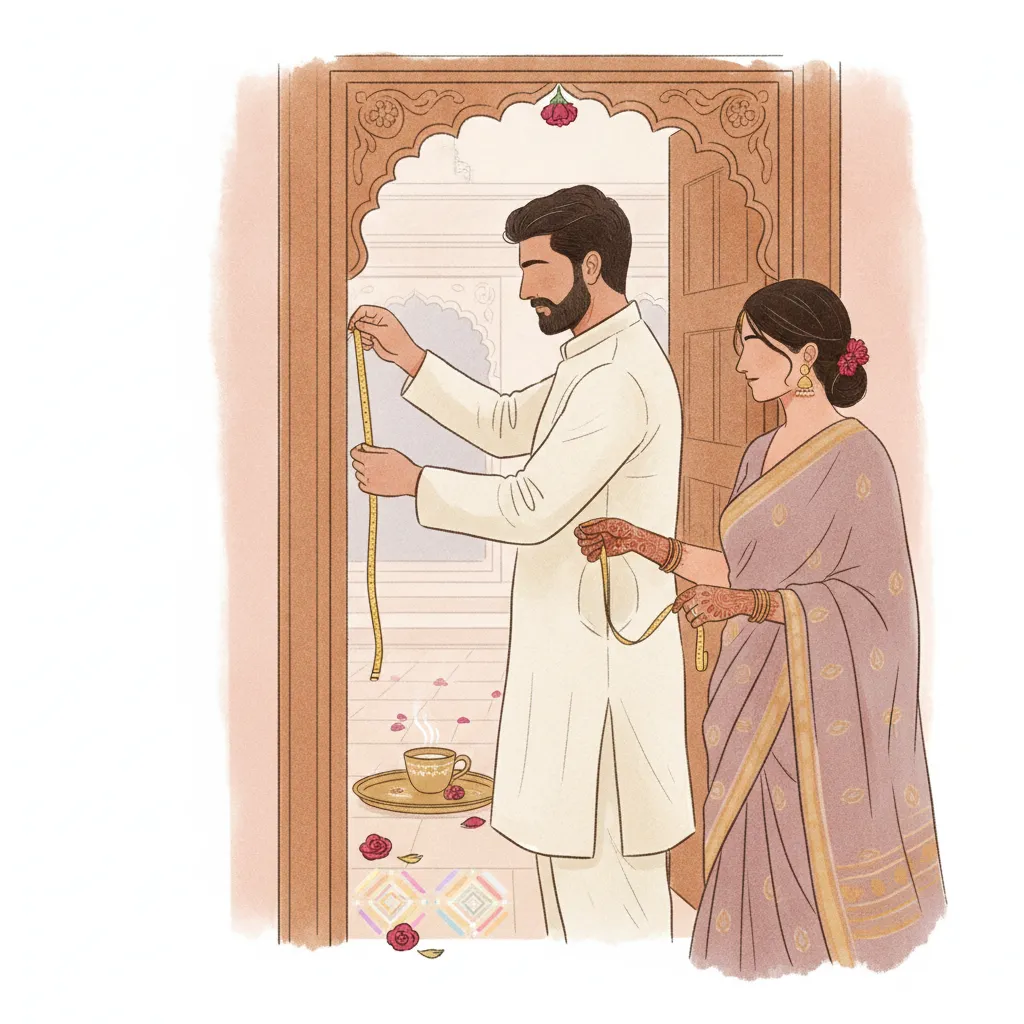
Imagine a couple, five years into their marriage, navigating the beautiful complexities of life. They live in a vibrant joint family, manage demanding careers, and are raising their children. Yet, amidst the daily hustle, they move with a quiet synchronicity, an unspoken understanding. When one feels overwhelmed, the other steps in, not with grand gestures, but with the exact support needed. A cup of chai appears when fatigue sets in, a genuine compliment is offered after a challenging day, or a reassuring handhold is extended during a difficult family conversation. They seem to anticipate each other's needs, not because they are mind-readers, but because they have learned the unique dialect of each other's hearts. Their love is not just present; it is fluent.
This isn't a fairy tale, nor is it a lottery win. This is the outcome of understanding a powerful truth: love, like any language, can be spoken and received in different ways. Most relationship gaps are not a lack of love, but rather a mistranslation of it. In the context of Indian matrimonial searches, where timelines can be swift and family involvement significant, learning to speak and understand these "love languages" becomes an invaluable tool for building a profound, lasting connection. It allows you to move beyond superficial compatibility and build a foundation where love truly resonates.
The Five Love Languages: Bridging Hearts in an Indian Context
The concept of love languages suggests there are five primary ways people express and experience love. Understanding these, especially in the nuanced landscape of Indian relationships, can transform how you connect with your potential partner and their family.
1. Words of Affirmation
For those whose primary love language is Words of Affirmation, spoken or written expressions of appreciation, encouragement, and affection are paramount. They thrive on hearing "I love you," "You did a wonderful job," or "I appreciate your effort." In the Indian context, where direct emotional expression can sometimes be subtle, these words hold immense weight.
Imagine a 28-year-old woman, Priya, in Chennai, navigating her first few months in a new joint family. She works hard to learn new recipes and traditions. Her husband, Akash, notices her dedication and, one evening, quietly tells her, "Priya, the sambar you made today was just like Amma's, but with your unique touch. It means a lot to me that you're putting in so much effort." This simple acknowledgment, specific and heartfelt, resonates deeply with Priya, making her feel seen and valued in her new role. Similarly, during the initial arranged-match meetings, a suitor who genuinely appreciates your perspective on a cultural topic, rather than just agreeing, might be speaking this language.
2. Quality Time
This love language is about giving someone your undivided attention. It's not just about being in the same room, but about truly engaging, listening, and sharing experiences. For individuals who value Quality Time, the presence and focus of their loved one is the greatest gift.
Consider a couple, Sameer and Anjali, both 30 and busy professionals in Mumbai. Sameer, after a long day at work, usually unwinds by watching news. Anjali, who values quality time, starts feeling disconnected. One day, Sameer suggests, "Let's take a 15-minute chai break together every evening, without phones or TV, just to chat about our day." This small, consistent effort—creating a dedicated space for connection—makes Anjali feel cherished and understood. In a typical Indian arranged match scenario, where initial interactions might be brief and family-supervised, suggesting a follow-up conversation focused on understanding each other's hobbies or aspirations, rather than just practicalities, can be a powerful way to show you value quality time.
3. Receiving Gifts
This love language is often misunderstood as materialism, but it's fundamentally about the thought and symbolism behind a gift. For someone whose primary love language is Receiving Gifts, a tangible item, regardless of its monetary value, serves as a powerful symbol of love, care, and remembrance.
Think of Rohan, a 32-year-old software engineer in Bengaluru, who often travels for work. His wife, Kavita, values thoughtful gestures. On his return from a business trip, Rohan doesn't just bring back a generic souvenir. Instead, he remembers Kavita mentioning her love for a particular variety of Mysore pak, and brings back a box from a renowned sweet shop he passed. For Kavita, it's not the sweet itself, but the act of Rohan remembering her specific preference amidst his busy schedule, which speaks volumes. Similarly, for a potential partner, a small, carefully chosen book by an author you mentioned, or a traditional piece of jewellery for her stridhan that reflects her taste, can signify deep care and attention.
4. Acts of Service
People who feel loved through Acts of Service appreciate when their partner does things for them that lighten their burden, simplify their life, or express care through action. This isn't about being a servant but about thoughtful contributions that demonstrate love through effort and assistance.
Take the example of Preeti, a 26-year-old homemaker in Jaipur, who often juggles household chores and caring for her in-laws. Her husband, Vikram, sees her exhaustion. Instead of just verbally acknowledging it, Vikram takes the initiative to help with the evening dishes or runs an errand to pick up groceries before Preeti has to ask. This practical support, reducing her mental and physical load, makes Preeti feel deeply loved and appreciated. In an arranged match meeting, observing how a potential partner offers practical help to family members (e.g., helping an elder carry something) can be an early indicator of this love language. A suitor who offers to coordinate travel for an elderly relative for the engagement ceremony, rather than just leaving it to you, is speaking this language.
5. Physical Touch
This love language encompasses more than just intimacy; it's about the power of physical presence and reassuring contact. For those who experience love through Physical Touch, a hug, a reassuring hand on the shoulder, holding hands, or a gentle touch on the arm can communicate warmth, security, and connection more effectively than words or gifts.
Consider Dev and Suman, a young couple in their late 20s, living in a bustling Delhi apartment. Suman is going through a particularly stressful period at work. Dev notices her tension. As they sit for dinner, he gently places his hand over hers on the table, or gives her a warm, comforting hug before she leaves for work. These simple, non-intrusive touches convey a profound sense of support and understanding, making Suman feel loved and less alone. In the context of arranged meetings, appropriate gestures like a reassuring pat on the back during a moment of nervousness or holding hands during a public event (once comfortable and culturally appropriate) can be very meaningful for someone who speaks this language.
The Mismatch Problem: When Love Gets Lost in Translation
The challenge arises when partners speak different love languages without realizing it. One person may be pouring love into their partner's life in their own language, only for it to go unnoticed or unappreciated because the recipient speaks a different dialect. The effort is sincere, the love is real, but the translation is missing.
Imagine a scenario: Rohan (from our Bengaluru example), whose primary love language is Receiving Gifts, marries someone whose primary language is Acts of Service, let's call her Meera. Rohan regularly brings Meera small, thoughtful gifts—a book he knows she'll love, a new piece of jewellery for her stridhan. He feels he is showing her immense love and care. Meera appreciates the gifts but doesn't feel deeply loved by them. What truly makes her feel loved is when Rohan helps her with the planning for their joint family's upcoming festival celebration, or when he takes the initiative to get the car serviced without her having to ask. She sees these acts as genuine expressions of care.
Rohan, meanwhile, might occasionally offer help, but doesn't prioritise it. He might interpret Meera's requests for help as nagging or an indication that she doesn't appreciate his gifts. Meera, on the other hand, might feel that Rohan doesn't truly care about her workload or well-being, despite the gifts, because he isn't "doing" anything to ease her burden. Both are loving individuals, expressing love in their own ways, but their efforts are not landing where they are most deeply felt. This leads to a cycle of misunderstanding and unmet emotional needs, fostering resentment despite genuine affection.
Patterns to Recognise
During the initial stages of getting to know a potential partner, especially in arranged match dynamics, pay attention to these patterns:
- Persistent Unmet Needs: One person consistently expresses feeling uncared for or unheard, despite the other's sincere attempts to show affection. For example, one partner might constantly ask for "us time" (Quality Time), while the other brings gifts (Receiving Gifts) but rarely initiates dedicated one-on-one interaction.
- Misinterpretations of Intent: A gesture meant as loving is taken as superficial, burdensome, or irrelevant. The giver feels their efforts are unappreciated, and the receiver feels misunderstood.
- "They don't understand me" Sentiment: A recurring feeling that despite all efforts, the other person just doesn't "get" what you need emotionally.
- One-Sided Effort Perception: One partner feels like they are doing "all the loving," while the other feels their love is going unnoticed.
- Differing Ideas of "Support": When facing a challenge, one partner offers advice (Words of Affirmation) while the other longs for practical assistance (Acts of Service) or a comforting hug (Physical Touch).
Recognising these patterns early on, even in the limited interactions of an arranged match, can prompt deeper conversations and prevent future disconnects. Observe not just what a potential partner does, but how they seem to express care, and what types of expressions they seem to gravitate towards.
Discovering Your Languages and Adapting for a Lifetime
The good news is that love languages can be learned and adapted. It requires intentionality, observation, and open communication. This is not about changing who you are, but expanding your repertoire of expressing love to meet your partner's deepest needs.
1. Self-Reflection: What Makes You Feel Loved?
Before you can understand another, understand yourself.
- What do you most often ask for from your partner? "Can we spend more time together?" (Quality Time) or "Could you help me with this?" (Acts of Service)?
- What hurts you most? A harsh word (Words of Affirmation), a missed special occasion (Quality Time), or a lack of physical affection (Physical Touch)?
- How do you naturally express love? Do you buy gifts, help out, give compliments, plan dates, or offer hugs? This is often your primary love language.
2. Observe and Inquire: Discovering Their Language
In the context of an arranged match, direct questions about "love languages" might be too soon, but observation and indirect inquiry are powerful.
- Pay attention to their complaints: What do they seem to desire most? "You never tell me I'm doing well" hints at Words of Affirmation. "We never get to just talk" suggests Quality Time.
- Notice their expressions of love: How do they naturally show care to their family, friends, or even you? Do they offer compliments, bring small gifts, offer help, or seek out opportunities to spend time? This often reveals their own primary language.
- Ask open-ended questions: Instead of "What's your love language?", try, "What makes you feel truly supported and appreciated in a relationship?" or "What's a gesture of care that really touches your heart?" Even discussing how their parents or siblings show affection can offer clues.
- Observe their family dynamics: How do family members show affection to each other? While individual languages differ, family patterns can sometimes offer insights.
3. Speak Their Language (Without Losing Your Voice)
Once you have an idea of your partner's love language, make a conscious effort to "speak" it. This doesn't mean abandoning your own language; it means becoming bilingual in love.
- If your partner values Words of Affirmation, make it a habit to offer sincere compliments, express appreciation for their efforts in the household or career, or offer encouragement. A simple, "Your parents spoke so highly of your dedication – I can see why," during an initial meeting can be powerful.
- If Quality Time is their language, intentionally carve out short, focused periods for conversation, a shared activity, or even just sitting together without distractions. During initial interactions, suggest a follow-up call dedicated solely to discussing a shared interest.
- For Receiving Gifts, focus on thoughtful gestures, however small. Remember details they've mentioned about their preferences and surprise them with something that shows you listened.
- If Acts of Service resonates most, look for opportunities to offer practical help, especially with tasks that ease their burden. This could be volunteering to help with an engagement ceremony arrangement or offering to pick up something important.
- For Physical Touch, express affection through appropriate physical contact—a reassuring hand, a comforting embrace (once comfortable), or simply sitting close.
What to actually do this week: Take 15 minutes to sit down with a notebook.
- For yourself: Write down two specific instances in the past week where you felt genuinely loved and appreciated by someone (family, friend, or potential partner). What did they do or say?
- For your potential partner (or current partner if applicable): Observe their interactions this week. What do they complain about missing? What do they seem to do most often to show care to others? Based on this, make a guess at their primary love language.
- Action: Pick one small, intentional action you can take this week to speak their presumed love language. If you think it's Quality Time, suggest a 20-minute video call dedicated to sharing your day, without distractions. If it's Acts of Service, offer to help with a specific task they mentioned.
When a couple understands and actively practices each other's love languages, the relationship blossoms. Imagine that same couple, twenty-five years down the line: their children are grown, and their joint family continues to thrive. They still carve out time for their morning chai, holding hands as they talk. He still brings her a special treat from his travels, and she still quietly takes care of a chore before he even thinks to ask. They both still offer encouraging words and a reassuring touch through life's inevitable ups and downs. Their connection isn't merely enduring; it's vibrant, resilient, and deeply satisfying. This profound connection is not a matter of luck, but a buildable skill, a consistent practice of speaking the language of the heart. By learning to speak and understand the love languages, you empower yourself to build a marriage that is not just loving, but eloquently, deeply loved.