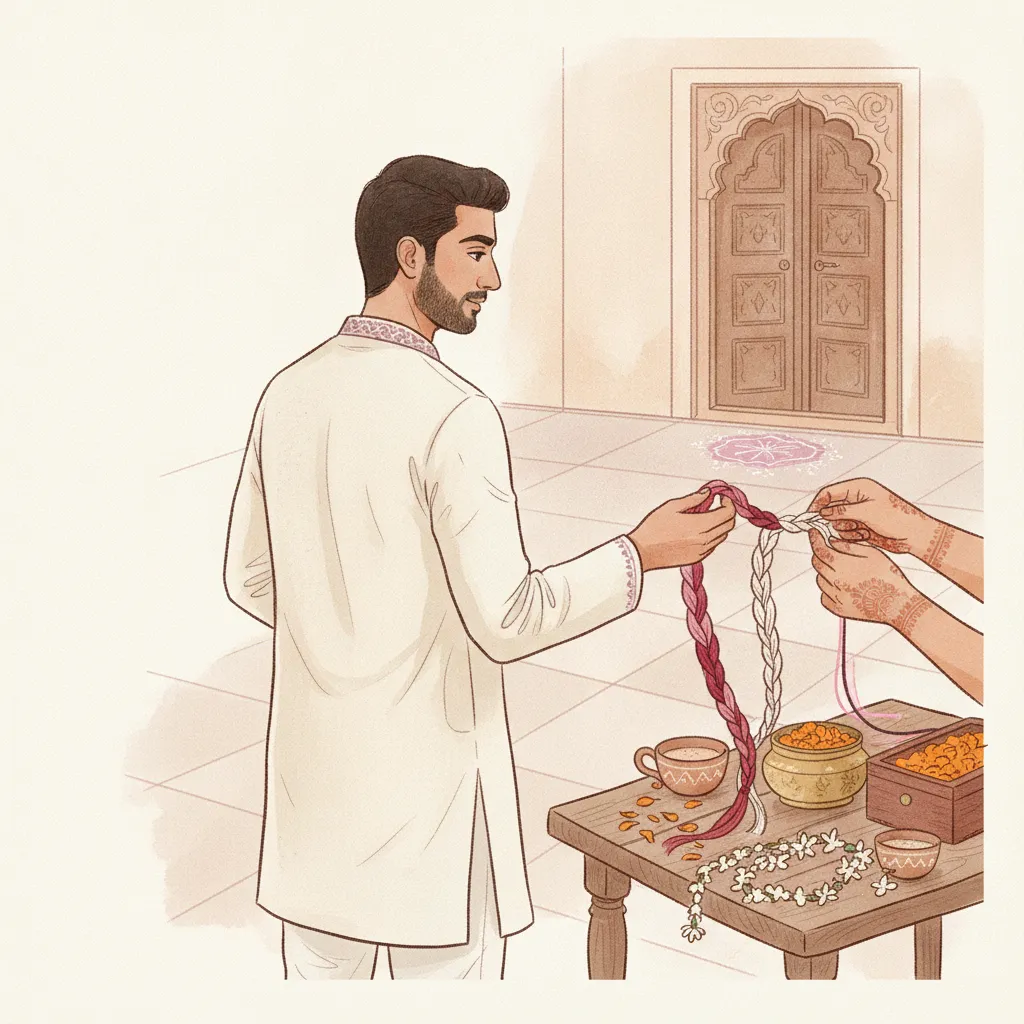
Navigating the path to a lifelong partnership is one of life’s most significant decisions, particularly within the dynamic and often fast-paced Indian matrimonial landscape. Many individuals, influenced by family expectations and societal norms, find themselves on a rapid timeline, moving from initial meetings to engagement in a matter of weeks or a few months. This article is designed to equip you with the insights and tools to thoughtfully approach this journey. By understanding the common pitfalls of rushing, you'll gain the confidence to advocate for a more considered timeline, ensuring your choice is rooted in genuine understanding rather than hasty compliance. You will learn to identify what truly matters, how to spot potential gaps in your evaluation, and practical strategies for extending your courtship to build a stronger foundation for a lasting marriage, without causing undue stress to your family or your match.
The Foundation of Time: Why Longer Courtships Often Build Stronger Marriages
In the Indian matrimonial context, the journey from meeting a prospective partner to a formal engagement can often feel like a whirlwind. The unspoken pressure to "strike while the iron is hot" or to avoid "missing out" can push couples and their families towards engagement within three months, sometimes even less. While this speed might seem efficient, a growing body of general research suggests a nuanced relationship between courtship duration and marital success. Studies across various cultures indicate that couples who engage after knowing each other for a longer period – often beyond six months to a year – tend to report higher marital satisfaction and lower rates of divorce.
This isn't to say that all fast engagements are doomed or all long courtships guarantee bliss. Rather, it highlights a pattern: time allows for deeper understanding, revealing facets of a personality and relationship dynamics that superficial interactions simply cannot. Consider a situation where a 28-year-old woman in Hyderabad, pursuing an arranged match, met a potential partner and their families. Over two months of formal meetings and a few chaperoned outings, everything seemed perfect. The families meshed well, and the initial attraction was strong. They quickly agreed to an engagement. However, within six months of marriage, they began discovering significant differences in their core values regarding money management and how to handle parental responsibilities, leading to frequent disagreements. Had they allowed more time to explore these deeper aspects before the engagement, these crucial incompatibilities might have surfaced earlier, allowing for either resolution or a more informed decision. The speed often masks the necessity of probing beyond surface-level compatibility, leaving critical areas unexplored until after the commitment is made.
What Gets Skipped: The Critical Layers of Understanding
When the timeline for engagement is compressed, several vital stages of understanding are often inadvertently overlooked. These aren't trivial details; they are foundational pillars that support a successful, resilient marriage. Rushing past them means building on an incomplete blueprint.
Family Functions: Observing Them in Their Natural Habitat
In India, marriage isn't just between two individuals; it's the union of two families. How your potential partner interacts within their extended family provides a wealth of information about their values, respect for elders, their role in family dynamics, and their approach to conflict within a familial setting. Attending family gatherings—be it a cousin's wedding, a puja, or even a simple family dinner—allows you to observe:
- How they treat their parents and siblings, particularly under stress.
- Their level of involvement in family affairs and decision-making.
- Their comfort with the joint-family structure, if applicable, and their expectations of your role within it.
- The overall atmosphere of their home – is it warm, respectful, chaotic, or distant?
Example: Imagine you attend a family function of your potential partner. You observe how they console a younger cousin, respectfully disagree with an elder on a minor point, and manage their parents' expectations regarding various tasks. This provides a much richer picture than simply hearing them say they "love their family."
Financial Discussion: Beyond Salary, Towards Philosophy
Many arranged match conversations touch upon income and assets. However, a deep financial discussion goes far beyond their monthly salary or your sthridhan expectations. It delves into financial philosophies, long-term goals, and attitudes towards money management. Skipping this means entering a marriage without understanding:
- Their approach to savings versus spending.
- Any existing debts or significant financial obligations (e.g., parental loans, sibling education).
- Their comfort level with joint accounts versus separate finances.
- Their views on investing, retirement, and funding major life events like buying a home or educating children.
- How they anticipate supporting their parents financially, and their expectations for your contribution to household expenses or investments. This is particularly crucial in a joint-family setup where financial contributions can be shared amongst many.
Example: A 30-year-old woman in Chennai discussed her potential match’s salary. All good. But she didn't probe deeper into his philosophy until after marriage, only to discover he was a compulsive saver who rarely indulged in experiences, while she believed in balancing savings with quality-of-life spending. This led to tension over small expenditures, from a new appliance to a weekend getaway.
Fight Under Stress: The True Test of Compatibility
It's easy to be charming and agreeable when things are smooth. The true measure of a person, and the health of a relationship, emerges during conflict and stress. A fast engagement rarely provides enough opportunities to observe how your potential partner handles disagreements, anger, frustration, or external pressure. You need to see:
- Do they shut down, become aggressive, or seek constructive resolution?
- Are they willing to listen to your perspective, or do they always need to be "right"?
- How quickly do they recover from a disagreement, and do they hold grudges?
- Do they resort to personal attacks or address the issue at hand?
Example: A minor logistical issue during a weekend trip – perhaps a hotel booking error or a missed train – could provide a crucial glimpse into their stress response. Do they panic, blame, or calmly work towards a solution alongside you?
Observing Their Work Life: Beyond the Resume
While you don't need to shadow them at their office, understanding their professional life goes beyond their designation and company name. Observing how they approach their work, handle pressure, interact with colleagues, and manage their career aspirations can reveal much about their character, dedication, and work-life balance expectations. This involves:
- Their passion (or lack thereof) for their work.
- Their professional ethics and integrity.
- How they manage work-related stress and their ability to compartmentalize.
- Their career ambitions and how those align with your own, especially if one partner anticipates career moves or relocation.
Example: Over several calls, you might notice if they consistently complain about colleagues without self-reflection, or if they speak with genuine enthusiasm about overcoming professional challenges. This reveals their attitude towards responsibility and teamwork.
Meeting Their Friends: The Unfiltered Self
A person's close friends often provide an honest mirror to their personality and values. Spending time with your potential partner and their inner circle can reveal aspects they might not show you directly. You can observe:
- The type of people they choose to associate with – do their friends reflect values you admire?
- How they interact with their friends – are they different in this setting? More relaxed, more candid?
- What topics they discuss, and what kind of humor they share.
- Whether their friends respect them, and what stories they share that provide insight into their past and character.
Example: A 29-year-old software engineer in Bengaluru found his potential match charming and serious in their meetings. However, after spending an evening with her close friends, he noticed a different side: a sharp, sarcastic wit that occasionally veered into cynicism, a trait she rarely displayed in their one-on-one interactions. This insight was valuable for understanding her full personality.
What to look for: Patterns to Recognise
When evaluating a potential partner, especially under a compressed timeline, be mindful of these subtle indicators that might suggest critical areas are being overlooked:
- Reluctance to discuss family dynamics in detail: They might brush off questions about sibling relationships or parental expectations, or only offer superficial answers.
- Vagueness about future financial goals: Beyond "we'll save for a house," they avoid specific discussions about budgeting, investments, or how family financial needs will be balanced.
- Excessive agreeableness or avoidance of any disagreement: They might consistently defer to your opinion or change the subject if a potentially contentious topic arises, never truly expressing their own differing viewpoint.
- Inability to articulate their career aspirations or challenges: They either speak only in platitudes about their job or avoid discussing it beyond the surface level, suggesting a lack of engagement or a desire to hide something.
- Avoiding introductions to their core friend group: They might introduce you to casual acquaintances but consistently make excuses for why you can't spend time with their closest friends.
- A strong insistence on a very quick engagement timeline: While family pressure is real, watch for a personal insistence on speed from the individual themselves, particularly if it feels like they are trying to circumvent deeper discussions.
Extending the Timeline: A Mature Approach to a Lifelong Decision
The idea of extending an arranged match timeline by 6-12 months can feel daunting, given the pressures from family, community, and even your biological clock. However, it's a responsible, mature decision that signals seriousness about the commitment, not hesitation. It shows you're invested in building a resilient marriage, not just a successful wedding.
How to Extend the Timeline Within an Arranged-Match Context
- Frame it as an investment in stability: Don't present it as "I'm not sure." Instead, articulate it as, "We both want this marriage to be incredibly strong and lasting. To ensure that, a little more time now will pay dividends in lifelong happiness and fewer challenges later."
- Propose a "getting to know each other" phase: Suggest a specific period – say, six months – before any formal engagement announcement. During this time, commit to actively pursuing the areas mentioned above (family interactions, financial discussions, etc.). This makes it a proactive, goal-oriented extension, not a passive delay.
- Involve both families in the discussion (if appropriate): If both you and your potential partner agree, present a united front to your families. "We've both discussed it and feel that giving ourselves an additional X months to understand each other fully, and plan for our future, is a wise decision for a lifelong partnership. We want to ensure peace of mind for both families."
- Highlight practical benefits for wedding planning: You can leverage the practicalities of wedding arrangements. "A slightly longer engagement allows us to plan the wedding perfectly, manage all the details without rush, and ensure everyone can attend." This often appeals to families who value meticulous planning.
- Utilise technology and travel strategically: In a longer courtship, leverage video calls for deeper, less formal conversations. If feasible and culturally appropriate, plan short, chaperoned trips or weekend visits that allow for observation in different settings, while respecting cultural norms.
What to Say to Family
Addressing your family requires respect, clarity, and conviction.
- Lead with gratitude and reassurance: "We are so grateful for all your efforts in finding such a wonderful match. We deeply value this opportunity."
- Emphasise commitment, not doubt: "Precisely because this is such a significant, lifelong decision, we both feel it's our responsibility to use this time to build the strongest possible foundation. A slightly longer courtship isn't a sign of doubt, but of our seriousness and commitment to a lasting marriage that brings joy and stability to everyone involved."
- Focus on future benefits: "We believe that investing this extra time now will prevent misunderstandings and reduce stress in the future, ensuring a smoother, happier married life for us and greater peace of mind for both families."
- Set a new, clear checkpoint: "We propose to revisit the formal engagement discussion after X months, once we've had the chance to understand each other's lives and families more comprehensively."
Example: A 30-year-old woman working as a doctor in Mumbai was being pressured for a swift engagement after two months of meeting her match. She respectfully approached her parents, stating, "Papa, Mamma, I truly like him and his family. But as a doctor, I understand the importance of a strong diagnosis before treatment. This is a lifelong commitment. We both feel that an additional six months to understand each other’s families, our careers, and our financial philosophies will ensure a rock-solid foundation for our marriage, preventing future complications. It's about being thorough, not hesitant." Her parents, hearing her mature and logical reasoning, eventually agreed.
What to Actually Do This Week
Take a moment to reflect on your current timeline and conversations.
- Identify one key area – finances, family dynamics, or conflict resolution – where you feel you lack deep understanding of your potential partner.
- Prepare an open-ended question related to this area that you can bring up in your next conversation. For example, regarding finances: "What are your long-term financial goals, beyond just saving? How do you envision managing joint expenses or supporting family needs?" Or, regarding family: "How do you and your siblings typically handle disagreements, or support your parents during challenging times?"
- Initiate a gentle conversation with your potential match about the idea of a slightly extended getting-to-know-you period, framing it as a mutual desire to build a stronger foundation. Gauge their comfort and openness to this suggestion.
Your journey towards finding a life partner is unique and profound. Empower yourself with the confidence to seek depth over speed, ensuring that the foundation you build for your marriage is as robust and enduring as the commitment itself.