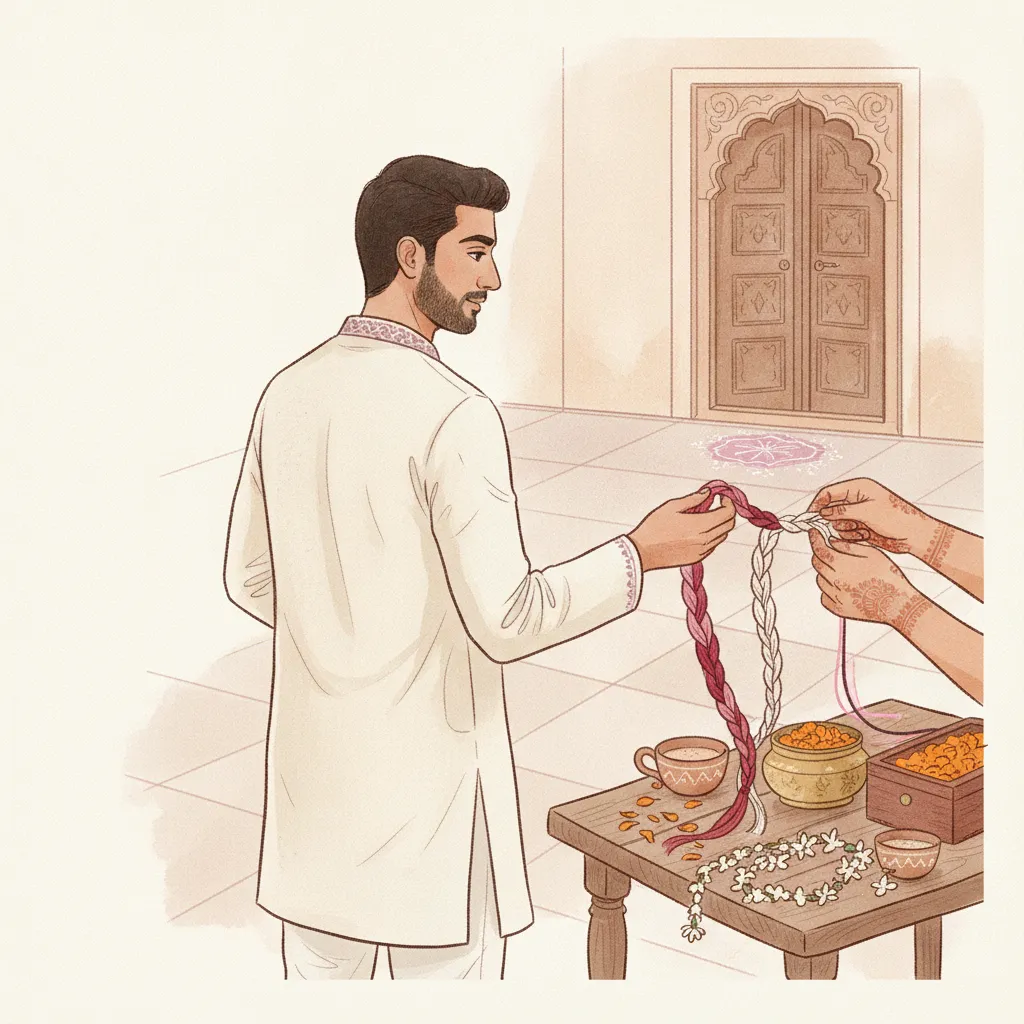
Imagine a couple, five years into their marriage, sitting together on a quiet evening. They’re discussing a challenge at work, a demanding parent, or maybe a decision about their child’s schooling. There’s an ease between them, a deep sense of mutual respect. They listen, truly listen, to each other. They don't always agree, but they know how to navigate differences, how to compromise, how to support without smothering. They've built a shared life that feels like a safe harbour, a place of strength and joy, not just for themselves but for their families around them. This isn't a fantasy marriage; it's a marriage built, brick by brick, through intentional effort, understanding, and the courage to face reality together.
The first year of marriage is often depicted as a honeymoon phase, a blissful extension of courtship. For Indian couples, particularly within the dynamics of arranged matches or family-involved love marriages, this couldn't be further from the full truth. It's a period of intense adjustment, where two individual lives, often rooted in distinct family cultures and personal habits, merge into one. Add to this the expectations of elders, the swift pace of relationship progression typical in many arranged matches, and the complexities of navigating joint family setups, and it's clear why this year can be the most demanding.
It's a time when you and your partner are learning each other's deepest rhythms, not just the curated versions you presented during courtship. It’s when you discover how decisions are made, how conflicts are handled, and how daily life truly unfolds. Knowing what common challenges are normal versus what signals a deeper problem can be the difference between a rough patch you navigate together and a foundational crack that widens. This article is for the two of you, as you stand at the threshold of this significant journey, to help you understand what to expect and what to watch for, so you can build that resilient, joyful future you both aspire to.
What's Normal: Navigating the New Landscape
Marriage isn't just about love; it's about sharing a life, and that involves countless decisions, habits, and expectations that often go unarticulated until you're living them. Many things that feel challenging in the first year are simply part of the adjustment, a normal negotiation of shared space and shared lives.
The Dance of Power and Priorities
Before marriage, you both had individual lives, personal budgets, and perhaps distinct career paths or living arrangements. Now, these become intertwined. Who decides where to spend holidays? Whose career takes precedence if one gets a transfer opportunity? How are household finances managed, especially when families often contribute or have expectations about savings and spending? These aren't just discussions; they are often subtle power struggles, as you both learn to cede some individual autonomy for the sake of partnership.
Imagine a 30-year-old couple in Chennai. He's used to his mother managing all household finances, while she's meticulously managed her own salary and investments since starting her first job. When it comes to setting up a joint account for household expenses, they find themselves at an impasse. He assumes she’ll simply hand over her salary to him or his mother for collective management, based on his upbringing. She, however, feels strongly about maintaining her financial independence and contributing a fair share. This isn't a sign of mistrust; it's a clash of ingrained financial habits and expectations, a normal part of figuring out a shared system that works for both of them.
Blending Families: The In-Law Embrace
For many Indian couples, marriage is not just the union of two people, but two families. This brings immense support and joy, but also a complex web of new relationships and expectations, especially in joint family setups. Suddenly, the two of you are navigating new norms around daily routines, guest etiquette, festival celebrations, and even how food is prepared. Advice, opinions, and traditions from either side can feel overwhelming, or at times, contradictory.
Consider a 28-year-old woman from Bengaluru who moves into her husband's joint family home in Mysore. She's used to a quieter household, while his family thrives on constant conversation and frequent guests. Her in-laws expect her to be involved in daily kitchen duties and family gatherings, which she values, but she also cherishes her personal space and time for her career. Her husband is caught between his family's expectations and his wife's need for boundaries. This tension is normal. It's not necessarily a sign of malicious intent, but a natural outcome of integrating different family cultures and personal preferences under one roof. It requires patience, empathy, and the two of you presenting a united front in a respectful manner.
Domestic Harmony: Dividing the Invisible Labour
Beyond paid work, there’s an enormous amount of "invisible labour" involved in running a household – from remembering birthdays and booking appointments to coordinating repairs and managing errands. Before marriage, these tasks were likely handled individually or by your respective parents. Now, they're shared responsibilities, and the division of this labour needs active negotiation. Who handles the groceries? Who pays the bills? Who plans weekend activities or manages household staff?
A 29-year-old couple in Hyderabad finds themselves constantly squabbling over who remembers to call the plumber or coordinate with the dry cleaner. He works long hours, assuming she, being at home earlier, will naturally take care of these things. She feels overwhelmed, believing he should share the mental load of remembering these tasks, not just the physical execution. This isn't a fight about love; it's about unmet expectations and an undefined division of labour. Many couples stumble here, needing to consciously sit down and map out who does what, and crucially, who remembers to do what.
Intimacy Discovered: Finding Your Sexual Rhythm
Physical intimacy is a deeply personal aspect of marriage, and it’s an area where partners often have different expectations, comfort levels, and desires. In the first year, after the initial excitement, you begin to truly discover each other's bodies, preferences, and emotional needs around sex. This is a journey of exploration, and it's normal for it to feel awkward, uncertain, or even challenging at times. It requires open communication, vulnerability, and a willingness to be patient and learn together.
For a young couple in Pune, coming from conservative backgrounds, discussing sex openly felt uncomfortable. While they were physically intimate, there were unspoken assumptions and unfulfilled desires on both sides. She felt he was too quick, and he felt she was unresponsive, leading to a silent distance. This initial lack of synchronicity is very common. It takes time, gentle communication, and a safe space to express needs and boundaries to build a fulfilling sexual relationship. This is not about being "good" or "bad" at sex, but about learning to communicate and connect intimately.
What's a Problem: Recognizing the Warning Signs
While many challenges in the first year are normal adjustments, some patterns of behaviour are more serious. These aren't just bumps in the road; they're foundational issues that can erode trust, respect, and love, eventually threatening the entire marriage.
The Poison of Contempt
Contempt is far more damaging than simple disagreement or anger. It's a feeling of superiority over your partner, expressed through belittling, mocking, eye-rolling, sarcasm, ridicule, name-calling, or dismissive body language. It's a profound disrespect that says, "I'm better than you," or "Your thoughts and feelings don't matter."
Imagine a 32-year-old man in Delhi, frustrated that his wife, a 29-year-old professional, forgot to pay a bill. Instead of a direct conversation, he says, "Of course you forgot. You're always so scattered, can't even handle a simple utility bill. What good are you for?" accompanied by a sneer. This isn't just anger; it's a personal attack designed to diminish and humiliate. Contempt tells your partner they are worthless, and it’s incredibly difficult for a relationship to survive when one partner consistently feels devalued.
What to look for:
- Frequent sarcasm, especially in front of others.
- Eye-rolling, scoffing, or mocking laughter when your partner expresses an opinion or feeling.
- Calling your partner names, even seemingly mild ones like "idiot" or "lazy."
- Dismissing your partner's concerns or achievements with comments like "that's nothing" or "anyone could do that."
- Belittling your partner's appearance, intelligence, or competence.
The Wall of Withdrawal
Withdrawal, often called stonewalling, is when one partner emotionally or physically shuts down during conflict or difficult conversations. Instead of engaging, they tune out, refuse to respond, change the subject, or physically leave the room. While everyone needs space occasionally, chronic withdrawal prevents resolution, leaves the other partner feeling unheard and abandoned, and builds resentment.
Consider a 27-year-old woman in Mumbai who tries to discuss a recurring disagreement with her husband about his communication style with her parents. As soon as she brings it up, he turns away, picks up his phone, or walks out of the room, saying, "I don't want to talk about this again." He might claim he needs to cool down, but this becomes a pattern where she is left with no avenue to address her concerns. This withdrawal doesn't resolve the issue; it just postpones it and signals that her feelings are not important enough to engage with.
What to look for:
- Consistently refusing to engage in discussions about problems or disagreements.
- Giving one-word answers or simply not responding when a sensitive topic is raised.
- Physically leaving the room or getting engrossed in an activity (e.g., phone, TV) when your partner tries to talk about something difficult.
- Claiming "I'm too busy" or "I'm too tired" to discuss important issues, making it a regular excuse.
- Emotional detachment, where your partner seems indifferent or absent even when physically present.
The Erosion of Trust: Dishonesty
Trust is the bedrock of any relationship, and dishonesty, in its various forms, systematically chips away at it. This isn't about small white lies, but about significant omissions, outright falsehoods, or the intentional hiding of crucial information. This includes lying about finances, past relationships, secret communications, or current activities. Once trust is broken, it is incredibly difficult to rebuild.
Think of a 31-year-old man in Lucknow who repeatedly tells his wife he's working late, but she later discovers he's been spending evenings with friends at a café, deliberately misleading her to avoid a conversation about balancing social life with marital responsibilities. Or a 26-year-old woman in Ahmedabad who, despite repeated discussions about joint financial planning, secretly transfers a significant portion of her salary into an undeclared personal account. These actions aren't mere misunderstandings; they are deliberate deceptions that imply a lack of respect and commitment to transparency.
What to look for:
- Frequent inconsistencies in stories or explanations.
- Hiding financial information, debts, or spending.
- Being secretive about phone calls, messages, or online activity.
- Creating elaborate excuses or dodging direct questions about whereabouts or activities.
- Having a history of major omissions or outright lies about important aspects of their life (e.g., education, family background, past relationships).
- Safety Note: If you discover dishonesty related to safety, finances, or past relationships that puts you at risk, confide in trusted friends or family, and seek professional guidance from a counsellor or legal expert before confronting your partner, especially if there's any history of controlling behaviour. Your safety is paramount.
The Single Best Practice: Your Weekly Relationship Check-In
While identifying normal challenges and problematic behaviours is crucial, the truly aspirational goal is to build a proactive system for your marriage. This brings us to the single most effective practice for couples in their first year and beyond: the weekly relationship check-in conversation. This isn't a casual chat; it’s a dedicated, intentional time for the two of you to connect, address issues before they escalate, and nurture your bond.
This practice is powerful because it normalises communication around difficult topics, creates a predictable space for emotional intimacy, and prevents small annoyances from festering into major resentments. It transforms relationship maintenance from an emergency response to a routine, positive habit.
Imagine a 30-year-old couple in Gurgaon. Every Sunday evening, after dinner, they carve out an hour. They put their phones away, make a cup of chai, and sit down. They start by sharing three things they appreciated about each other from the past week. Then, they each take a turn to bring up one concern or frustration, using "I feel" statements ("I felt a little overlooked when..."). They listen without interrupting, clarify, and brainstorm solutions together. Finally, they discuss their plans for the upcoming week and what they can do to support each other. It sounds structured, and it is, but this structure frees them to be truly vulnerable and connected. They might still argue at other times, but this weekly ritual ensures they never drift too far apart or let an issue go unresolved for too long.
What to actually do this week:
This week, commit to scheduling your first "Weekly Relationship Check-In." Find a specific time and place where you can have at least 45 minutes of uninterrupted, focused conversation. Put it in both your calendars and treat it as a non-negotiable appointment.
Here's a simple agenda to start with:
- Appreciation (10-15 minutes): Each of you shares 2-3 specific things you appreciated about your partner in the past week. Be genuine and specific ("I really appreciated you handling the grocery run when I was busy," not just "thanks for everything").
- Concerns/Adjustments (20-25 minutes): Each of you takes a turn to bring up one challenge or concern from the past week that you’d like to discuss. Frame it from your perspective, using "I feel" statements. The listener's job is to listen, ask clarifying questions, and validate, not to defend immediately. Then, together, explore potential solutions or compromises for the coming week.
- Upcoming Week (5-10 minutes): Briefly discuss your individual and shared plans for the next week, identify any potential stressors, and agree on how you can support each other.
This first check-in won't be perfect, but the act of showing up and committing to this conversation is a monumental step. It signals that your relationship is a priority, worth the time and effort.
Great marriages aren’t about finding the "perfect" person, but about two imperfect people committing to build something extraordinary together. The challenges of the first year are not obstacles to be feared, but opportunities for growth, understanding, and deeper connection. By understanding what's normal, recognising what's problematic, and consistently investing in intentional communication, the two of you can lay a foundation so strong that your marriage not only weathers the storms but becomes a source of profound joy and strength for decades to come. Imagine that couple, not just five years in, but fifteen, thirty, even fifty years later, still holding hands, still sharing that quiet understanding, still turning towards each other. That future isn't a lottery win; it's a legacy you begin building, together, today.