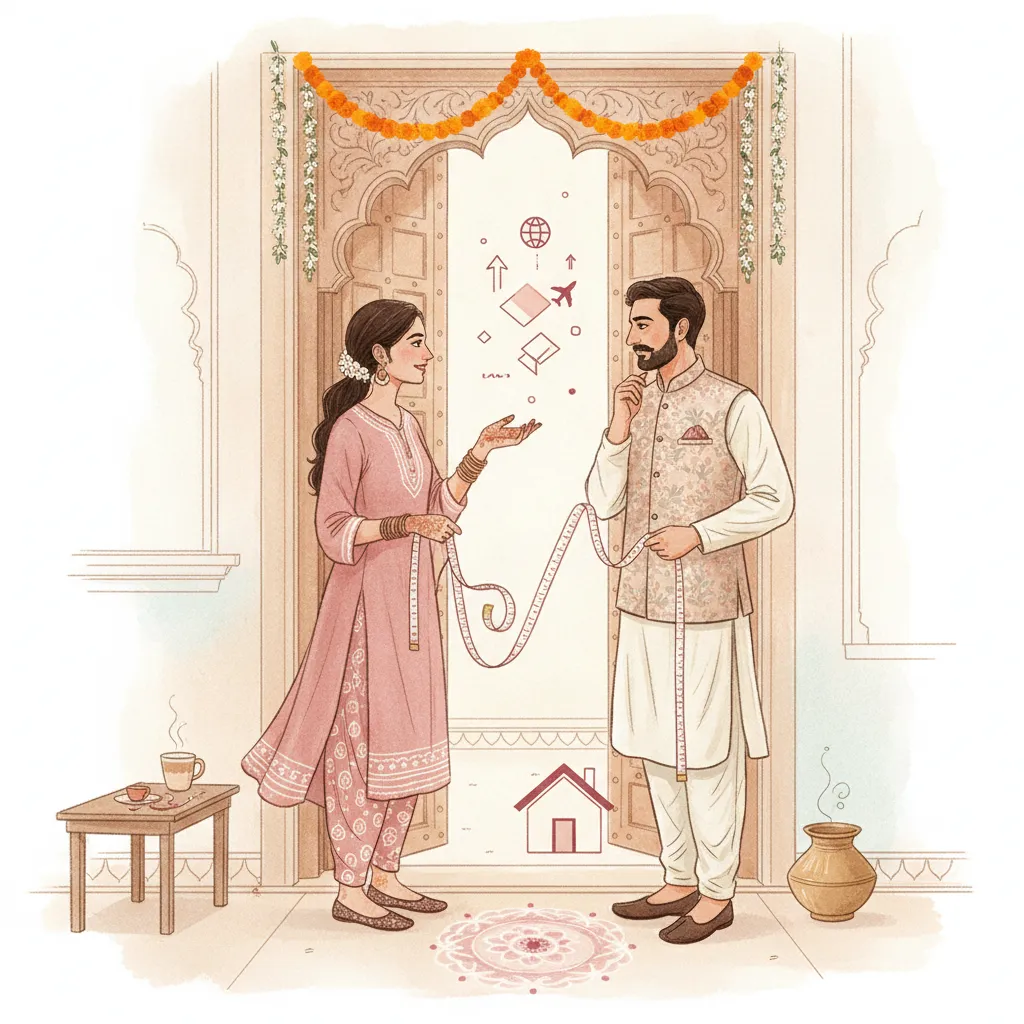
Imagine a couple, five years into their marriage. They’re sitting at their dining table in a modest apartment, papers spread out before them. They’re making their first big, joint investment—a down payment on a small flat. There’s a quiet confidence between them. The decision isn’t one person’s to make and the other’s to accept; it’s a shared calculation, a shared dream. They are a team. Their partnership wasn’t built on a transaction; it was built on two people choosing to build one life, together, from a place of mutual respect.
This kind of partnership isn’t an accident. It doesn’t just happen. It is built, choice by choice, starting with the very first decisions you make before the wedding vows are even spoken. And one of the most powerful first choices a man can make is to refuse dowry.
This isn’t about being idealistic. This is about being strategic for your own long-term happiness. Let’s talk about why the strongest thing you can do for your future marriage is to start it free of any price tag, and how to navigate the conversations to make it happen.
The Unspoken Expectation: A Forecast of Your Future
In the flurry of wedding preparations, the conversations start. Sometimes they are quiet whispers from a well-meaning auntie, other times they are blunt "suggestions" from an uncle. They might be framed as tradition, as helping the new couple get started, or simply as "what is done." The expectation of cash, a car, or funding for the wedding reception from the bride’s family.
Let’s be direct: The Dowry Prohibition Act of 1961 makes demanding, giving, or taking dowry a criminal offence in India. But the law is one thing; the cultural pressure is another. You may feel caught between your own values and your family’s expectations.
This is the moment to see with clear eyes. A family that pressures for money or expensive "gifts" before the wedding is giving you a thirty-year forecast of how they will operate. They are showing you how they view your wife—not as a person joining the family, but as a resource. They are showing you how they will view your finances—not as your and your wife’s private domain, but as a joint account they have a stake in.
Imagine a 32-year-old software engineer from Gurgaon. His parents are wonderful, but a few of his more distant relatives keep “joking” with his father about how the bride’s family, who own a successful business, can “help” with a new car. The young man overhears this. He has a choice. He can stay silent, hoping it goes away, or he can see this for what it is: the first test of his role as a husband. How he handles this moment will set the tone for every financial and personal boundary he and his wife will need to set for years to come.
Patterns to Recognise
Demands for dowry are rarely as crude as a list of items. They are often disguised in the language of tradition and generosity. Look for the underlying expectation.
- "Helping with the wedding expenses": A veiled way of demanding the bride's family pay for the groom's side of the celebration, which goes beyond traditional responsibilities.
- "A gift to help the couple start their new life": If this "gift" (like a car or a flat down payment) is discussed as a prerequisite or a strong expectation before the match is finalised, it is dowry.
- "It's just our custom": Tradition is often used to justify financial transactions. But a tradition that creates an imbalance of power and puts one family under financial duress is one that no longer serves a modern marriage.
- Comparisons to other weddings: "At my cousin's son's wedding, they received..." This is a social pressure tactic to create a sense of obligation.
Strength Redefined: The Power of an Equal Partnership
For generations, accepting a large dowry may have been seen as a sign of a family's status. It was a financial win. But we need to update our definition of a "win." The ultimate win is not a one-time financial infusion; it's a lifetime of genuine partnership. A marriage that begins as a transaction immediately establishes an imbalance of power.
When a bride’s family is made to feel they must "pay" for the privilege of the match, an unspoken debt is created. The bride may enter the marriage feeling she has less of a voice, that she must be endlessly accommodating. You may feel an unearned sense of authority. This is not a foundation for intimacy, trust, or teamwork. It’s a foundation for resentment.
The men with the happiest, most resilient marriages are those who start as equals. They are the ones who can turn to their wife during a difficult time—a job loss, a family illness—and know they are facing it with a partner, not a subordinate. They build their wealth together. Their home is a sanctuary of mutual respect, not a place of hierarchy and obligation.
Refusing dowry isn't a financial loss. It is a declaration of your character. It says to your future wife and her family: "I value her for who she is, not for what you can give me. I am capable of building my own life. I want a partner, not a purchase." This act communicates more respect and security than any amount of money ever could.
Consider a 30-year-old couple in Pune. They both worked and saved for two years before their wedding. When his family hinted at expectations, he was firm: "We are building our life together, from our own efforts." When her family offered a substantial cash gift "for the house," they both sat down with them and said, "We are so touched. Please, invest this for your own future, or give it to your daughter as her personal fund. The greatest gift you can give us is your blessing." Five years later, when they bought their flat, the down payment came from their joint savings. The pride and unity in that achievement was immeasurable.
Gifts, Stridhan, and Demands: Knowing the Difference
The conversation around dowry is often muddied because it gets confused with genuine gifts and the concept of stridhan. Being clear on these distinctions is crucial for you and your family.
-
A Demand is Dowry: Any property, money, or valuable security demanded, directly or indirectly, from the bride’s family as a condition for the marriage to take place. This is illegal and toxic. It doesn't matter how politely it's phrased. "We would expect a car" is a demand. "It would be nice if she brought a car" is a demand.
-
A Genuine Gift is a Gift: If your wife’s parents, out of genuine affection and with no pressure from your side, decide to give you a watch or a piece of art after the wedding is finalised, that is a gift. The key difference is that it is not a precondition. The marriage would happen with or without it.
-
Stridhan is Hers Alone: This is the most important distinction.
Stridhanrefers to the gifts a woman receives during her lifetime, particularly around her marriage, from her own family and friends. This includes her jewellery, clothes, and any money, property, or assets given to her for her exclusive use. Legally and morally,stridhanis her absolute property. It is not yours. It is not your family’s. You have no right to control it, spend it, or demand its use for joint expenses. A man of integrity not only understands this; he actively protects his wife’sstridhanas her own financial security.
Imagine a scenario where a bride from Bengaluru brings significant gold jewellery, a gift from her parents. A few months into the marriage, her husband's family suggests they sell some of it to cover a business expense. The right response from the husband is not to consider it, but to state clearly and calmly, "That jewellery belongs to my wife. It is her security and her decision. We will find another way to manage the business expense." This protects her, their marriage, and his own integrity.
How to Lead the Conversation
This change starts with you. You are the bridge between your family of origin and the new family you are about to create. Your loyalty must be to the future you are building.
Steering Your Own Family
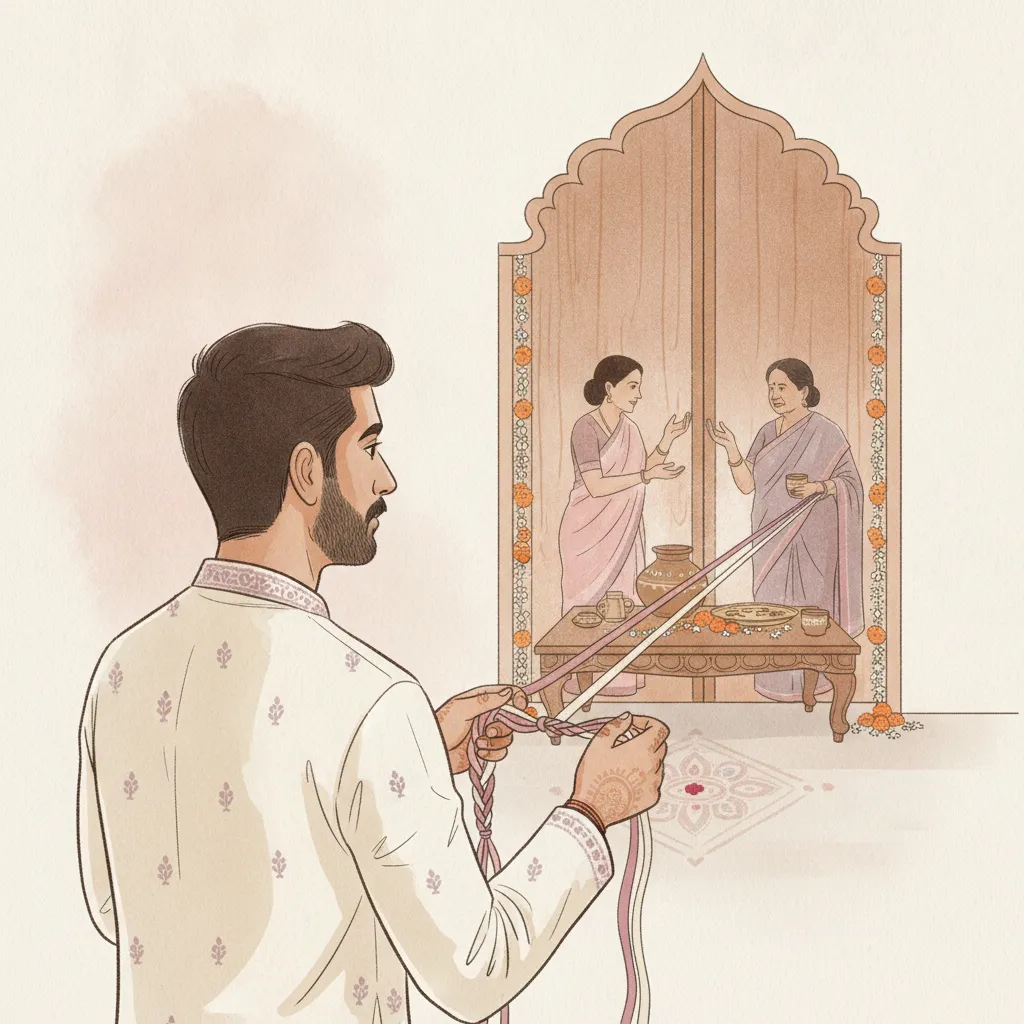
This conversation needs to happen early, before formal talks with the bride's family begin. It must be a calm, firm, and private conversation with your parents.
What to Say:
"Mummy, Papa, I wanted to talk about something important as we move forward. I have a lot of respect for our traditions, and even more respect for the kind of family we want to be. For my marriage and my future, it is very important to me that we build a relationship with my new wife and her family based purely on respect. This means we will not be accepting any dowry, or any large cash gifts that feel like an obligation. I want my wife to join our family knowing she is valued for who she is, and I want us to be a family that is known for its character, not for what we take from others. This is a decision I've made for the health of my marriage, and I need your support."
Frame it as your decision, for your future. Don't blame them or accuse them. Present it as a principle you hold for the kind of man and husband you want to be.
Responding if the Other Side Offers
Sometimes, a bride’s family may offer a significant sum or gift out of their own sense of tradition or social pressure. They may feel it's their duty. Refusing this requires grace and respect.
What to Say (as a couple, if possible):
"Aunty, Uncle, we are truly humbled by your generosity. Thank you. Your daughter is the greatest gift you could ever give our family, and your blessings are all we need. We want to start our life together on our own two feet, as a team. We would be more comfortable if you kept this for your own future, or gifted it directly to [Bride's Name] as her personal
stridhanfor her to manage as she wishes. Let’s begin this new relationship with nothing but love and respect between our families."
This response validates their good intentions, reinforces that their daughter is the true "gift," and respectfully declines the transaction, while correctly framing anything given to her as her own stridhan.
Ask Yourself This Week
Before you have a single conversation with anyone else, get clear on your own convictions. Ask yourself:
- What does the word "partner" truly mean to me?
- Do I want a wife who feels she owes my family, or a wife who feels she is an equal part of our team?
- Am I willing to have a few uncomfortable conversations now to build a foundation for thirty years of a healthy, respectful marriage?
Your answers will be the anchor for every conversation that follows.
The Thirty-Year Return on Your Integrity
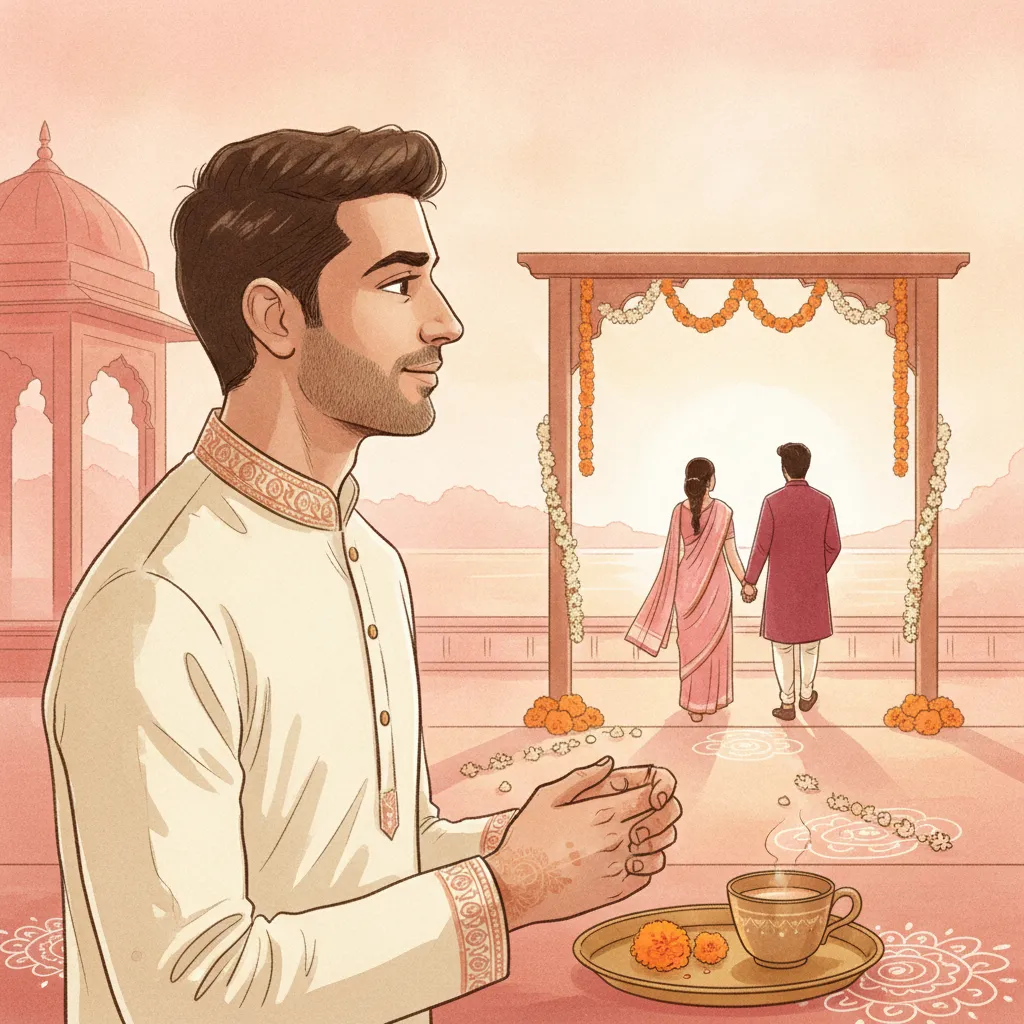
Think back to that couple at the dining table. Now, imagine them thirty years on. The flat they bought with their own money is a home filled with memories. They navigated job changes, raising children, and caring for ageing parents as a unified team. Their children grew up seeing a marriage where decisions were made together, where respect was the currency, not money. The example they set has rippled out, influencing how their own children approach their partnerships.
The decision to refuse dowry isn't a single, isolated act. It is the first and most powerful investment you can make in a future of genuine partnership. It sets a precedent for equality, for mutual respect, and for shared decision-making that will pay dividends for the rest of your life. The man who enters a marriage with empty hands but a full heart, ready to build a life with his partner, is the richest man of all.
Your marriage is not a business deal. It is the construction of a life. Choose the strongest possible foundation.