Your journey to finding a life partner is one of the most significant you will undertake. It’s a process filled with hopeful meetings, thoughtful conversations, and often, the loving involvement of your family. As you navigate this path on TrueSoulMatch, you’re not just seeking a partner for yourself, but a person who will become an integral part of your wider world. This article will help you recognise crucial patterns that build a secure foundation for your future, ensuring your choice leads to a fulfilling, supportive marriage, not isolation.
You are about to learn how to distinguish a partner who enriches your existing relationships from one who subtly tries to pull you away. This knowledge is a powerful tool, empowering you to make informed decisions and choose a connection that truly expands your life.
The Subtle Erosion of Your Support System
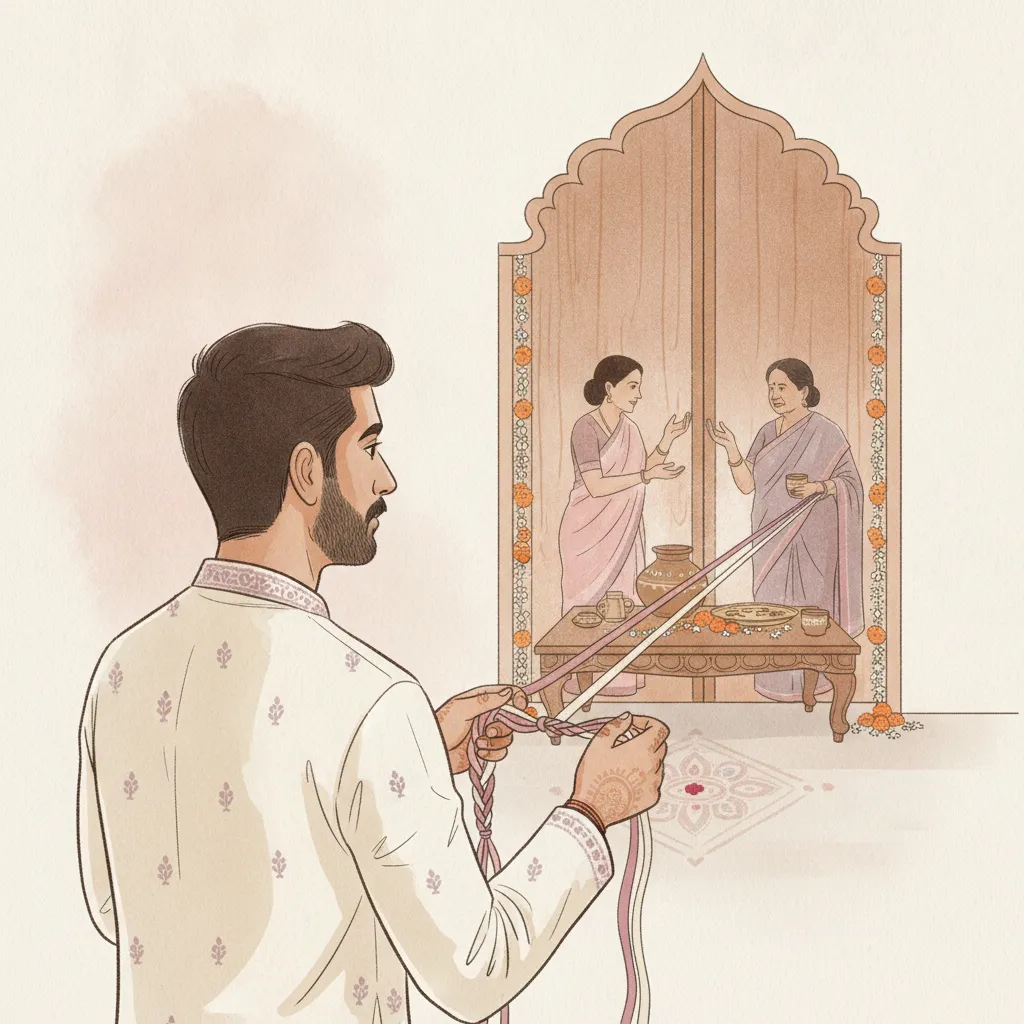
A healthy partnership should always feel like an addition to your life, a new chapter that integrates beautifully with the existing ones. Your friends and family are not merely bystanders in your search; they are an essential part of your life story, offering perspective, comfort, and unconditional support. However, sometimes, the early signs of an unhealthy dynamic manifest as subtle attempts to distance you from this very network. These attempts rarely start as direct demands but rather as "concerns" or "observations."
Imagine a 30-year-old software engineer, Rohan, from Hyderabad, meeting a prospective match, Anjali. During their initial conversations, Anjali might mention, with a seemingly empathetic tone, "Your best friend, Vikram, he seems to have a lot of opinions about your career choices, doesn't he? I worry he might be influencing you too much, making you doubt yourself." It’s not a direct order to stop seeing Vikram, but a seed of doubt planted about his positive influence. Over time, these comments might become more frequent, focusing on different friends, subtly framing them as "negative," "gossipy," or simply "not understanding your true potential."
Similarly, friction with family can be manufactured. A potential match might express "concern" over how much time you spend with your parents, or how involved your siblings are in your decisions. Consider a 28-year-old woman in Pune, Priya, who is meeting Sameer. Sameer might say, "Your joint-family structure seems very demanding. I admire your dedication, but don't you feel like you never get to make your own choices? I just want you to be happy, independent." Again, it's framed as care, but it subtly suggests that your family, a core part of your identity and support, is an impediment to your happiness or growth. These conversations are designed to make you feel that your friends and family are sources of stress or misunderstanding, and that only the new match truly "gets" you.
The objective of these subtle moves is to isolate you. When your existing relationships are undermined, you start to question their value, perhaps even feeling guilty for spending time with them. This creates a vacuum, which the new partner then fills, becoming your primary (and eventually, only) source of emotional support, validation, and information.
Patterns to Recognise
Learning to spot these subtle actions early can save you immense heartache. Here are specific behaviours to look for, framed as patterns you can now identify:
- Persistent Criticism of Specific Friends or Family: While constructive feedback on a relationship is healthy, look for a pattern where a potential match consistently finds fault with particular individuals in your support system, dismissing their value or character.
- Framing Your Network as "Holding You Back": Watch for suggestions that your current friends or family are preventing you from reaching your full potential, understanding your "true self," or achieving greater happiness.
- Inducing Guilt for External Commitments: Observe if you start feeling guilty for spending time with friends or family, or if plans with them are met with subtle disappointment, passive aggression, or demands for your time instead.
- Demanding Increasing Amounts of Your Time: A pattern where the potential partner requires more and more of your attention, subtly implying that time spent with anyone else is less important or a sign of disinterest in them.
- Creating a "Them vs. Us" Narrative: Pay attention to language that positions you and the potential partner as a unit against your existing social circle or family, fostering a sense of exclusive allegiance.
- Discomfort When You Share Details: Notice if the potential match shows annoyance, unease, or dismissiveness when you speak about your family or friends, or share details of your life that involve them. They might interrupt, change the subject, or minimised the importance of these connections.
- Subtly Undermining Shared History: They might downplay the significance of your long-standing friendships or family bonds, suggesting that those people "don't really know you anymore."
Why Your Outer Circle is Your Inner Compass
Your friends and family serve as an invaluable outer circle, a collective "inner compass" that helps you navigate the complexities of finding a life partner. They bring crucial perspectives that you, in the intense initial stages of a new connection, might miss.
They have known you for years, often decades. They’ve witnessed your growth, your strengths, and your vulnerabilities. This deep, shared history allows them to observe changes in your behaviour, mood, or priorities that you might not even recognise in yourself. If a potential partner is slowly isolating you, your loved ones are often the first to notice the shift – a decline in your usual cheerful demeanour, a sudden defensiveness about the new person, or a withdrawal from activities you once loved. They act as an objective sounding board, a reality check when you might be caught up in the emotional whirlwind of a new connection.
Consider Sneha, a 26-year-old interior designer from Mumbai. She meets Akshay through TrueSoulMatch, and he seems wonderful. He’s attentive, successful, and showers her with compliments. However, Sneha's sister, who has always been her confidante, notices that Akshay often makes veiled critical remarks about Sneha's fashion choices or her close friendship with a male colleague. Sneha, eager for the match to work, might initially brush these off. But when her sister points out, "Sneha, you used to love that blue kurta, and now you never wear it after Akshay commented on it. And you hardly talk about Rahul (the colleague) anymore, even though he's been your friend since college," Sneha starts to connect the dots. Her sister's external perspective helps her see a pattern she was overlooking.
In the Indian context, family involvement in matrimonial searches is not just accepted; it’s often an integral and powerful safety net. Your family vets a potential partner not just for you, but for the family unit they will potentially join. This collective vetting — looking at character, values, financial stability, and how they interact with others — is a tremendous strength. They can spot inconsistencies, or behaviours that might be red flags, precisely because they are not emotionally invested in the same way you are at the outset. For instance, while TrueSoulMatch’s verification confirms a person's identity and that their photos are genuinely them, the human element of your support system remains irreplaceable for assessing character and compatibility beyond basic identity.
Without outside perspectives, it becomes incredibly difficult to see patterns of manipulation or control. An isolating partner thrives in secrecy. They can subtly twist your perception of reality, make you doubt your own judgment, and gradually erode your self-worth. When you're disconnected from your support system, there's no one to offer an alternative viewpoint, no one to validate your concerns, and no one to provide the strength you need to recognise and resist unhealthy dynamics. Your friends and family are your early warning system, your navigators, and your anchor.
Building Your Defences: Practical Steps to Safeguard Your Match
Recognising these patterns is the first step; actively building your defences is the next. Your support system is not a weakness in your search for a partner; it is your greatest strength.
Maintain Your Connections Actively: Make a conscious effort to keep your friendships vibrant and your family in the loop. Continue to meet your friends regularly, participate in family gatherings, and maintain your established routines with your loved ones. If a potential partner subtly tries to discourage these activities, take note. A truly supportive partner will understand and respect the importance of these relationships in your life.
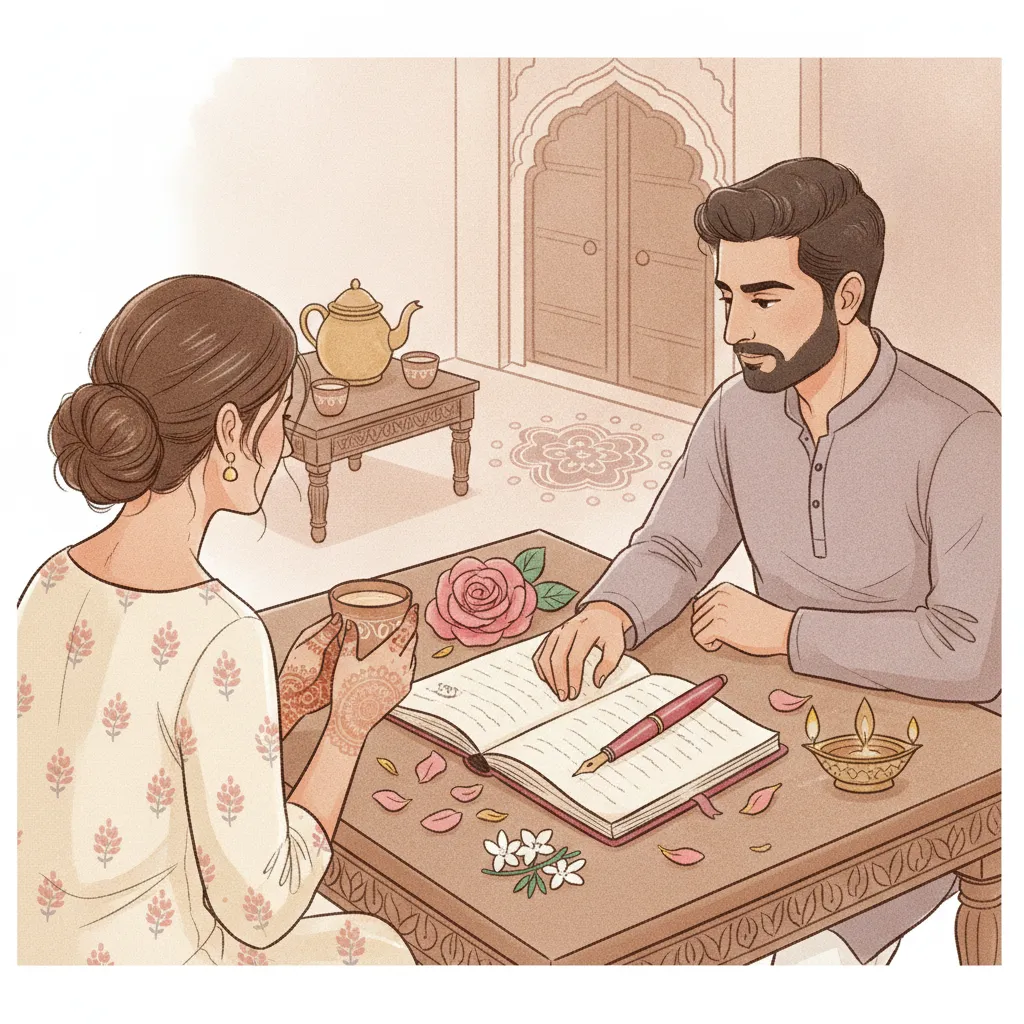
Share Details, Even Small Ones: Be open and honest with your trusted friends and family about your interactions with potential matches. Share not just the positive aspects, but also any small doubts, concerns, or observations that left you feeling uneasy. For example, you might tell your mother, "I really like how ambitious he is, but my cousin noticed he was quite dismissive when I spoke about my goals for stridhan. Does that seem normal to you?" Their insights, rooted in years of knowing you and understanding cultural nuances, can be invaluable. Don't be afraid to ask for their honest opinions, even if they might be difficult to hear.
Never Accept an Ultimatum: A partner who demands you choose them over your support network is flashing a significant red flag. Phrases like "It's either them or me," or "If you truly loved me, you wouldn't spend so much time with your friends," are not expressions of love; they are attempts at control. Your chosen partner should enhance your life, not diminish your existing bonds. Your support system is non-negotiable; it is a fundamental part of who you are and what keeps you grounded. If you ever find yourself in a situation where a potential partner's demands have escalated to control or abuse, know that the act of leaving can be a high-risk moment. Confide immediately in your trusted friends and family, and seek external support from helplines or counsellors before making any moves or confronting the partner. Your safety and well-being are paramount.
Trust Your Gut and Their Gut: You have a powerful intuition, and so do the people who know you best. If your loved ones consistently express serious, well-reasoned concerns about a potential match, pay close attention. They might be seeing aspects you’re overlooking or dismissing due to your emotional involvement. Their "gut feeling" combined with yours creates a more robust assessment.
What to Actually Do This Week
This week, make a deliberate effort to strengthen your connections:
- Reach Out: Call or meet a close friend or family member whom you trust implicitly.
- Be Open: Share details about your recent interactions with potential matches. Discuss not just the facts, but also your feelings, any hesitations, or moments of discomfort.
- Listen Actively: Hear their perspectives without immediate defensiveness. Ask them, "What are your honest thoughts on this person? Do you notice anything I might be missing?"
- Ask Yourself: "Have I dismissed or downplayed any concerns about a potential match because I want this search to conclude, or because I feel pressure?" Reflect on whether you're genuinely considering all perspectives, or if you're subconsciously isolating yourself from feedback.
Finding a life partner is about building a future that is rich, fulfilling, and secure. A truly great partnership expands your world, bringing more joy, more support, and more love into your life, without diminishing the precious connections you already have. By cherishing and actively involving your support system, you build a stronger foundation for finding a partner who truly enriches your life.